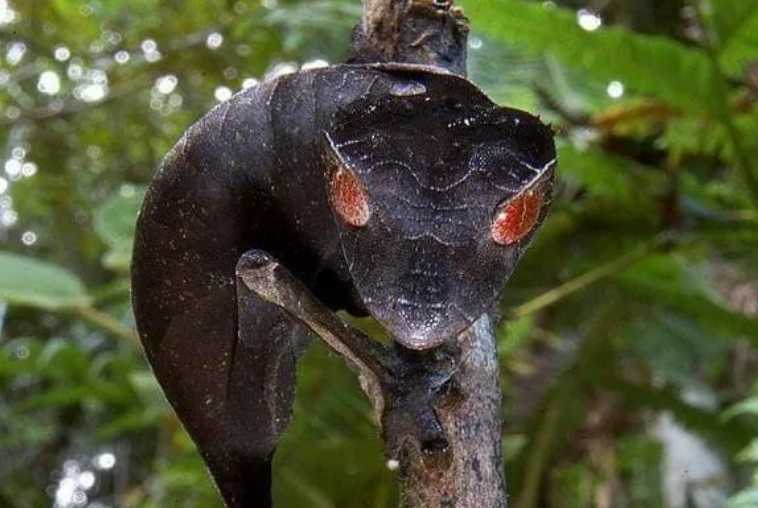
Satanic Leaf-Tailed Gecko: Nature's Master of Dead Leaf Mimicry
In the dense rainforests of Madagascar, a remarkable reptile demonstrates nature’s most astonishing camouflage: the Satanic leaf-tailed gecko (Uroplatus phantasticus). Renowned for its uncanny resemblance to a dried, withered leaf, this gecko has evolved the perfect disguise to vanish into its forest habitat.
1 minute read
The Atlas Moth: Wings That Mimic Two Snake Heads
In the tropical forests of Asia, the Atlas moth (Attacus atlas) astounds with its massive wingspan—reaching up to 25 centimeters, roughly the size of an adult human palm. Yet its most remarkable trait lies in the dramatic patterns on its hindwings: two eye-like spots and serpentine shapes that uncannily resemble a pair of snake heads, a masterful evolutionary trick to deter predators.
1 minute read

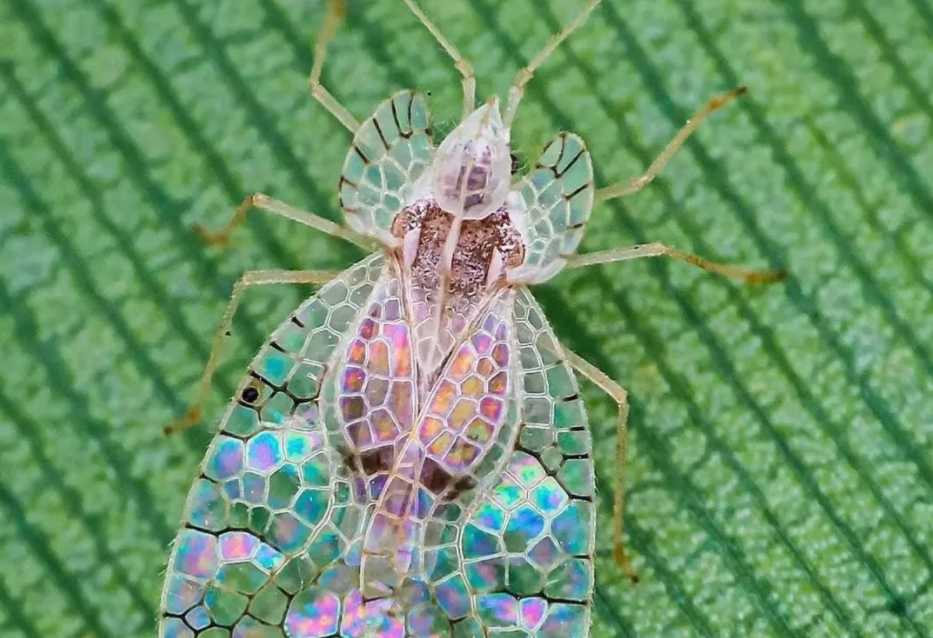
The Lace Bug: Nature's Living Stained Glass Masterpiece
In the realm of tiny arthropods, lace bugs (family Tingidae) stand out as living works of art, their bodies resembling intricate stained glass windows crafted from iridescent, lace-like exoskeletons. These minuscule insects, typically measuring 2–7 mm, adorn leaves in tropical and temperate regions, their translucent wings and thoraces patterned with geometric grids, spikes, and ornate reticulations that shimmer in the light.
1 minute read
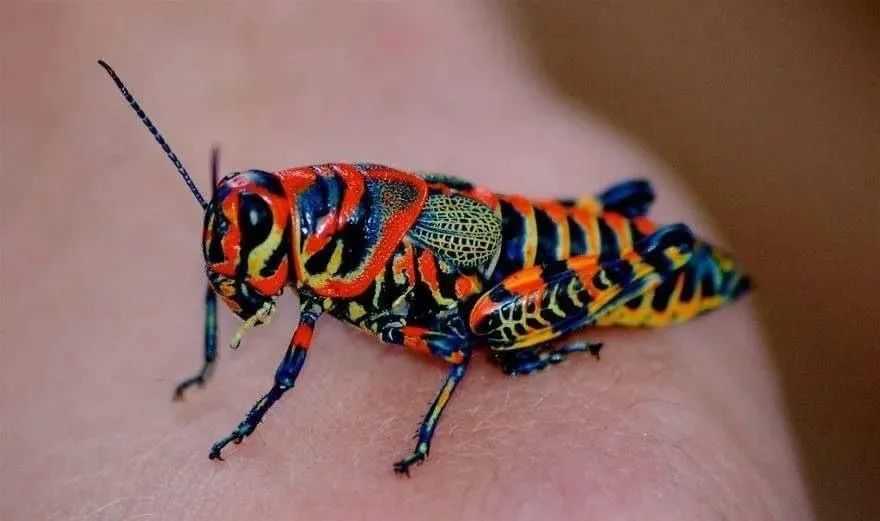
The Rainbow Grasshopper: A Vibrant Jewel of North America's Arid Plains
Native to the arid grasslands and sparse shortgrass habitats of North America, the rainbow grasshopper (Dactylotum bicolor) dazzles with its striking array of hues, defying the muted tones of its dry, sun-baked environment. This medium-sized orthopteran, also known as the painted grasshopper, showcases a vivid palette of red, orange, yellow, blue, and purple on its abdomen, legs, and wings, making it one of the most colorful insects in the region.
1 minute read
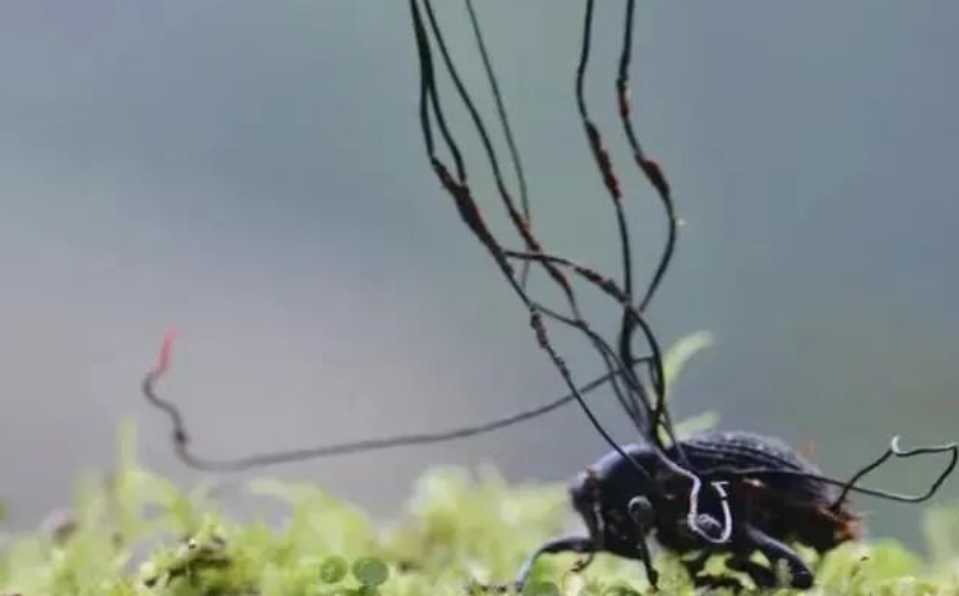
When a beetle is infected by the cordyceps fungus, the following process occurs:
Spore attachment and invasion: The spores of the cordyceps fungus adhere to the beetle's body and germinate. The fungal filaments then penetrate the beetle's exoskeleton and enter its body.
1 minute read
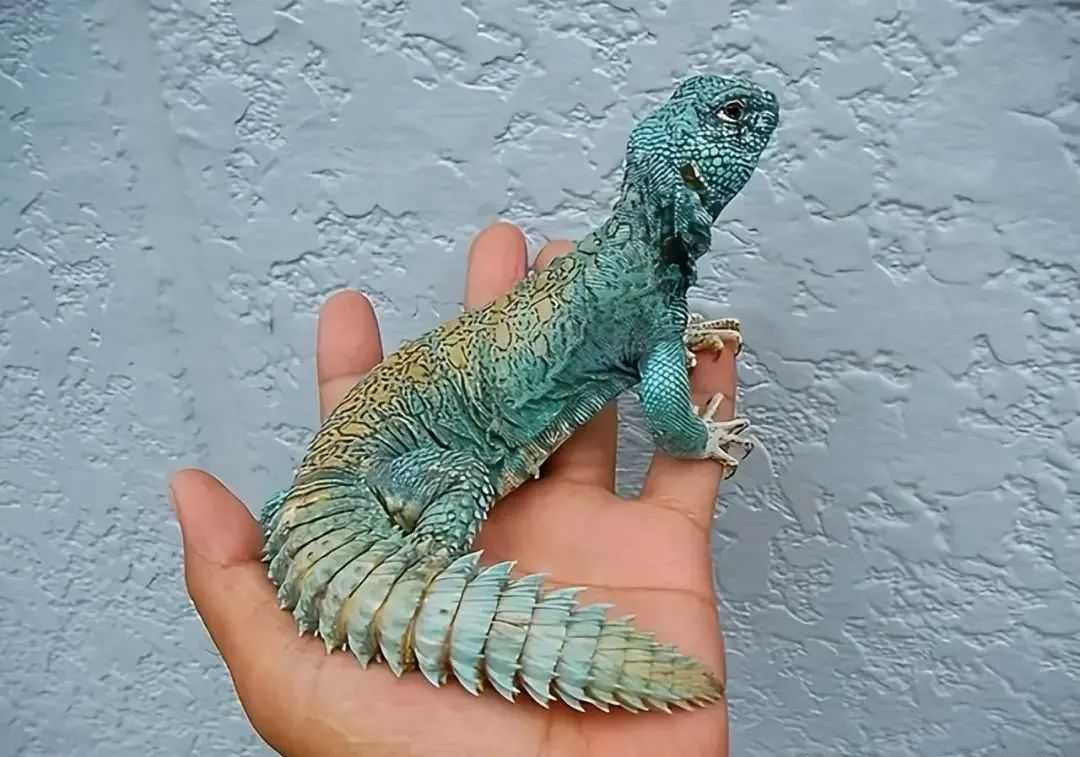
The "blue Arabian lizard" might refer to several species. Here are two possible candidates:
Uromastyx thomasi: Also known as the Oman spiny - tailed lizard, it belongs to the Uromastyx genus. It mainly inhabits the arid and semi - arid regions of the Arabian Peninsula, specifically in Oman. This lizard has two basic color schemes, blue and green, along with gray, pink, and other interesting hues. Its back is patterned with red stripes along the spine and large black spots. It has a stocky build, with strong limbs and claws adapted for digging in the rocky desert terrain. Despite its small size, it is a robust species.
1 minute read
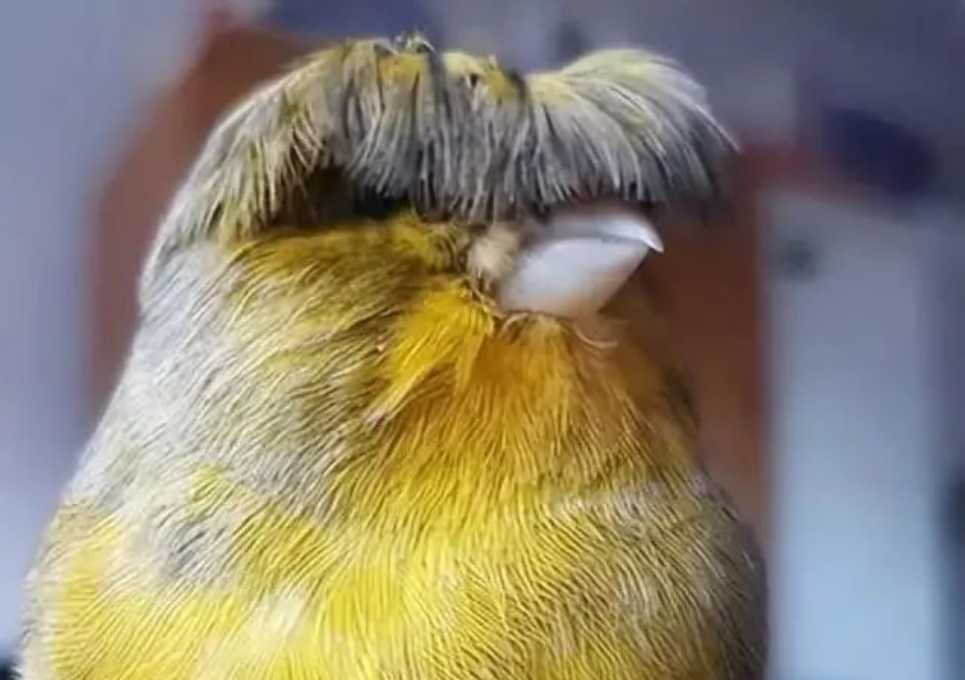
Barry: The Adorable Gloucester Canary with a Stylish 'Do
Meet Barry, a charming Gloucester canary whose vibrant plumage and distinctively "stylish hair" have turned him into a feathered fashion icon among bird enthusiasts. This tiny songbird, native to the UK’s Gloucestershire region, belongs to a breed renowned for its elaborate crest and elegant demeanor—a trait that Barry flaunts with undeniable panache.
1 minute read
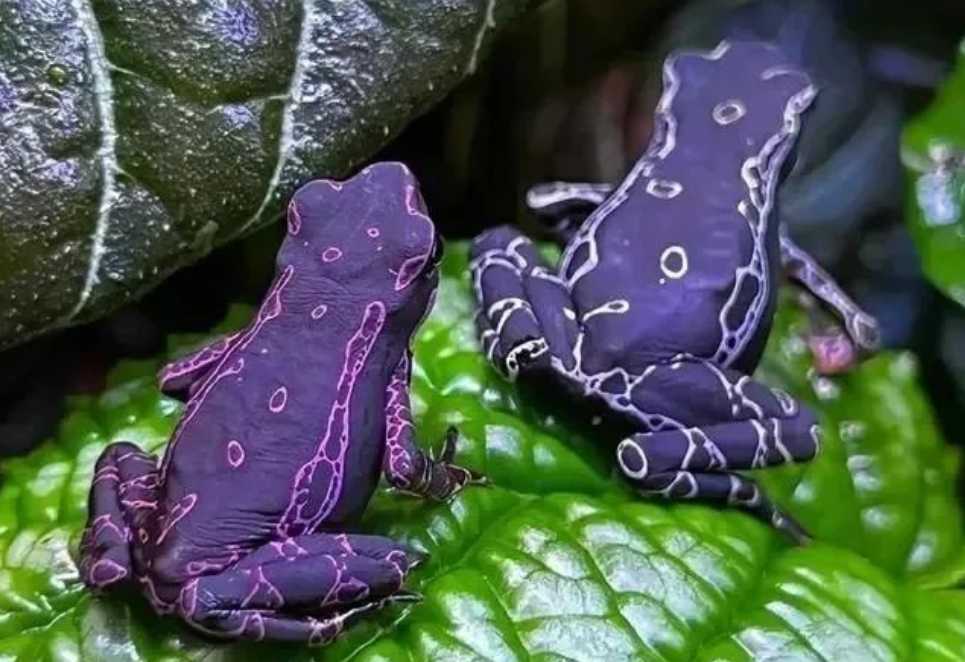
The Enigmatic Purple Harlequin Frog: A Rare Gem of the Amphibian World
Deep within the cloud forests of Central and South America lurks a creature that defies expectations with its vibrant hue and peculiar appearance: the purple harlequin frog. This critically endangered amphibian, characterized by its rich violet coloration interspersed with black and yellow patterns, stands out as both a biological wonder and a symbol of the urgent need for conservation.
1 minute read
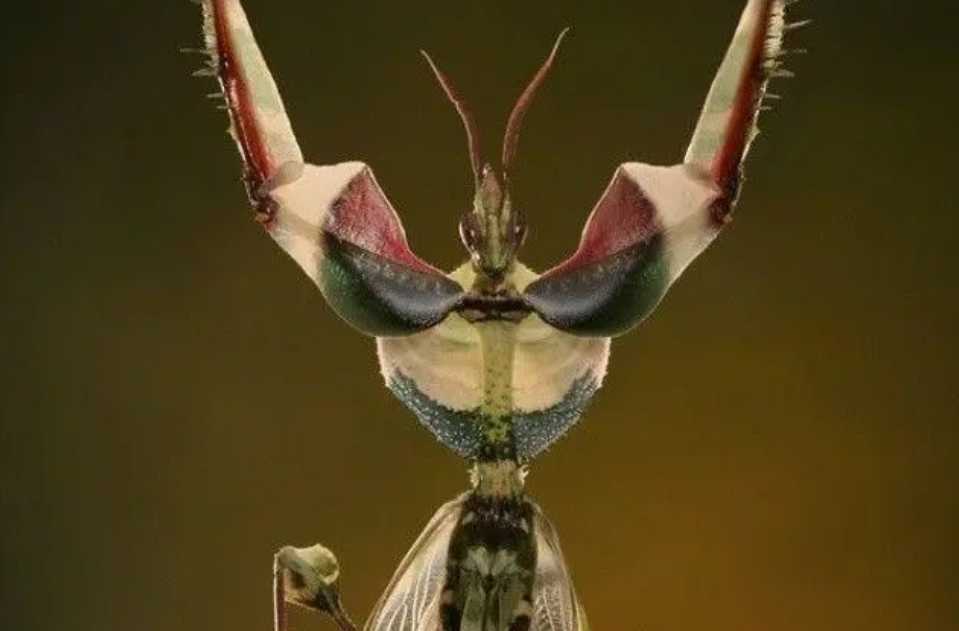
The Magic Flower Mantis: A Master of Floral Camouflage
In the tropical forests of Africa, the magic flower mantis (Idolomantis diabolica) performs nature’s most elegant illusion: mimicking vibrant flowers so perfectly that even keen eyes struggle to distinguish it from real blooms. This remarkable insect, also known as the devil’s flower mantis, showcases evolution’s pinnacle of camouflage, blurring the line between predator and petal.
1 minute read
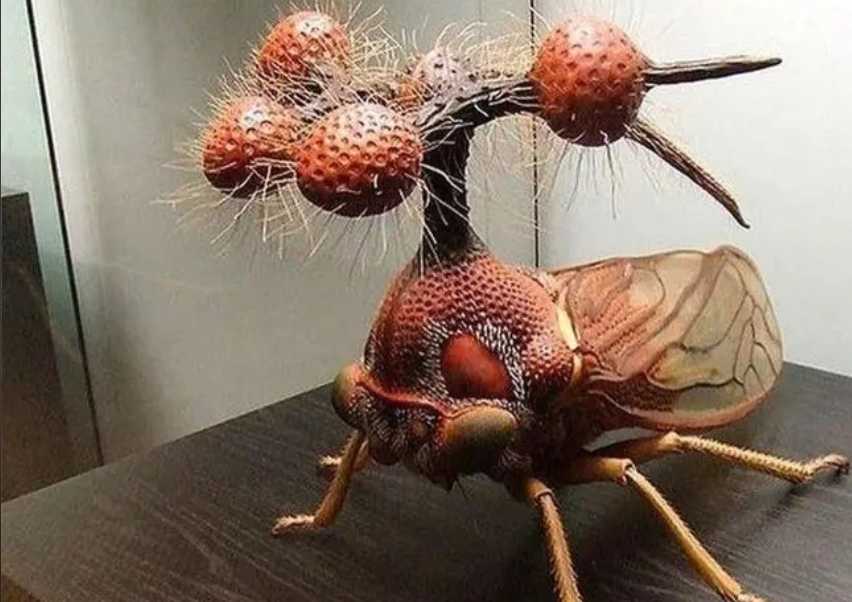
The Brazilian Four-Tubercled Treehopper: Nature's Bizarre 'Helicopter' Insect
Deep in Brazil’s rainforests, a tiny insect has evolved an otherworldly appearance: the four-tubercled treehopper (Bocydium globulare), whose head is crowned with bulbous, hairy projections resembling a miniature helicopter. This remarkable bug, part of the family Membracidae, showcases nature’s most whimsical adaptation, blending survival strategy with an almost sci-fi aesthetic.
1 minute read
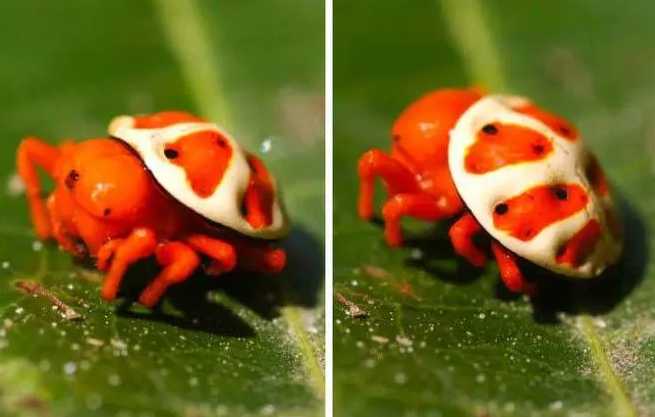
The Orange Turtle Spider: Nature’s Bizarre Blend of Arachnid and Reptile Traits
Deep in the tropical forests of Southeast Asia, a spider defies all expectations with its vibrant hue and shell-like back: the orange turtle spider (Cephalothorax aurantiacus). Unlike typical arachnids, this species boasts a vivid orange exoskeleton and a domed, segmented "shell" on its abdomen, creating an uncanny resemblance to a tiny turtle—a design that has fascinated entomologists and nature enthusiasts alike.
1 minute read
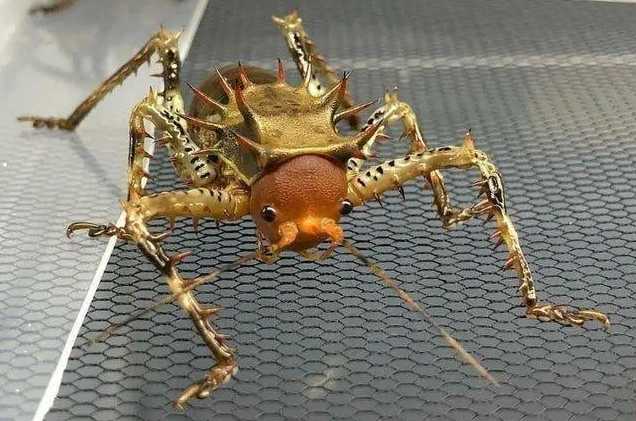
The Cameroon Armored Tree Cricket: Nature’s Golden Warrior Insect
In the dense forests of Cameroon, an insect emerges that resembles a tiny ant clad in golden armor: the Cameroon armored tree cricket (Acanthoplus discoidalis). This remarkable orthopteran, part of the family Tettigoniidae, showcases a striking exoskeleton of iridescent gold and bronze, combined with spiky projections that give it the appearance of a miniature warrior ready for battle.
1 minute read
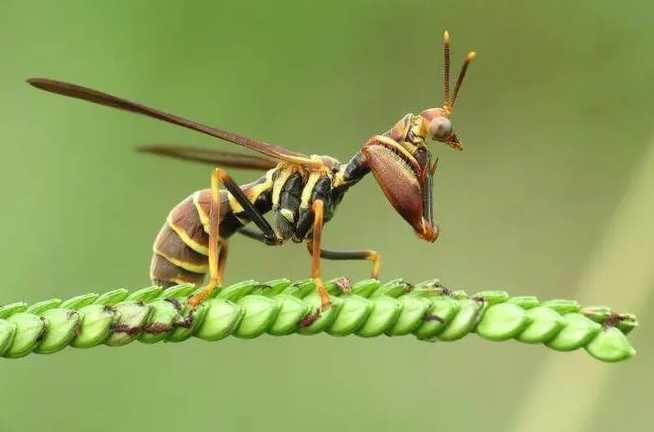
The Wasp Mantisfly: A Hybrid Predator That's Neither Mantis Nor Wasp
In the tropical and subtropical regions of the world, the wasp mantisfly (Climaciella brunnea) perplexes observers with its split identity: the front half resembles a praying mantis, while the rear mimics a wasp. This insect, part of the family Mantispidae, is a master of evolutionary mimicry, blending features of two fearsome species to create a creature that defies easy classification.
1 minute read
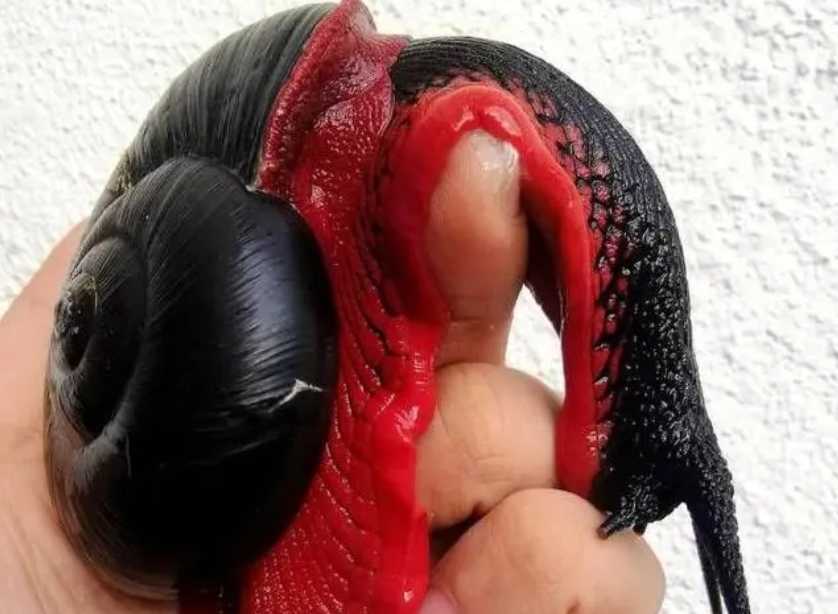
The Fire Snail: A Vividly Colored Giant Endemic to the Malay Peninsula
Native to the rainforests of the Malay Peninsula, the fire snail (Scalyfoot snail, Chrysomallon squamiferum) astonishes with its striking hue and imposing size, standing out as one of nature’s most vibrant gastropods. Unlike ordinary snails, this endemic species boasts a shell dyed in intense shades of scarlet, orange, and deep burgundy, resembling a smoldering ember—a coloration that has captivated biologists and nature enthusiasts alike.
1 minute read
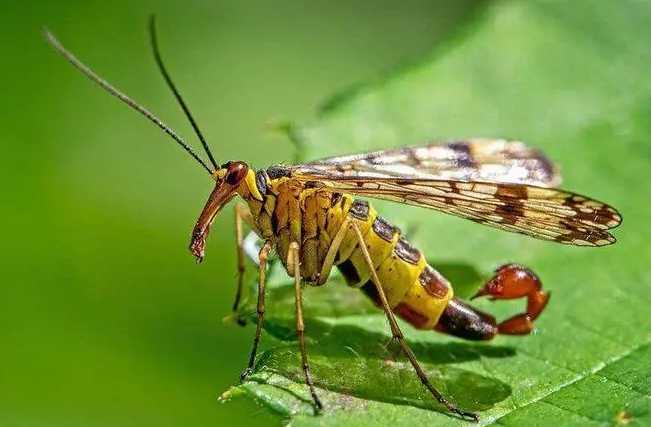
Scorpionflies: The Insects with a Deceptive 'Scorpion Tail'
In forests and meadows worldwide, scorpionflies (order Mecoptera) perplex onlookers with a curious feature: a tail that resembles a scorpion’s stinger, but serves an entirely different purpose. Contrary to appearances, this bulbous, curved appendage at the insect’s rear is not a venomous weapon—but rather the male’s elaborate genitalia, a bizarre evolutionary trait that has fascinated entomologists for centuries.
1 minute read