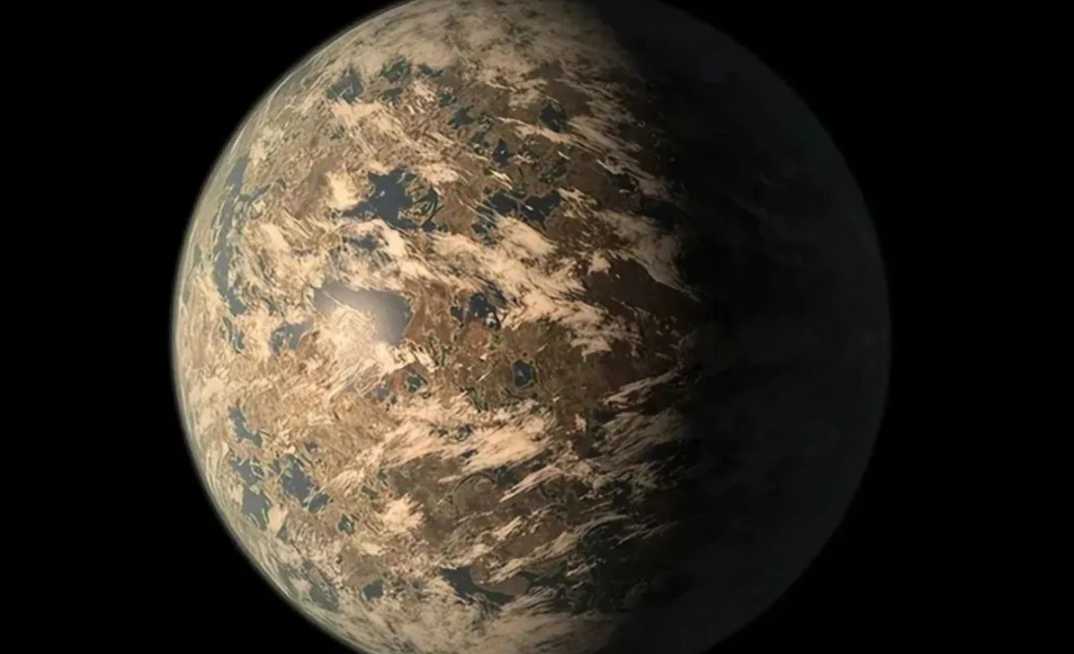
Tidal locking forces TRAPPIST-1e to forever face one side toward its star, creating stark contrasts:
- Day Side: Baked by constant radiation, temperatures may exceed 100°C, boiling surface water.
- Night Side: Permanently frigid, with temperatures plunging below -100°C, freezing water solid.
- Terminator Zone: A thin boundary between day and night could maintain 0–40°C, ideal for liquid water.
Models suggest a thick atmosphere might circulate heat, but the planet’s fate hinges on balancing stellar radiation with atmospheric resilience.
Despite challenges, TRAPPIST-1e remains a prime target:
- Atmospheric Biomarkers: The James Webb Space Telescope will analyze its transit spectra for signs of methane or ozone.
- Subsurface Potential: Tidal heating from neighboring planets could sustain underground oceans, shielding life from surface extremes.
- Redefining Habitability: The case shows habitability may lie in twilight zones, not just perfect Earth clones.
As astronomers probe this cosmic paradox, TRAPPIST-1e underscores that life’s resilience may thrive where day and night meet, challenging notions of where to seek extraterrestrial worlds.