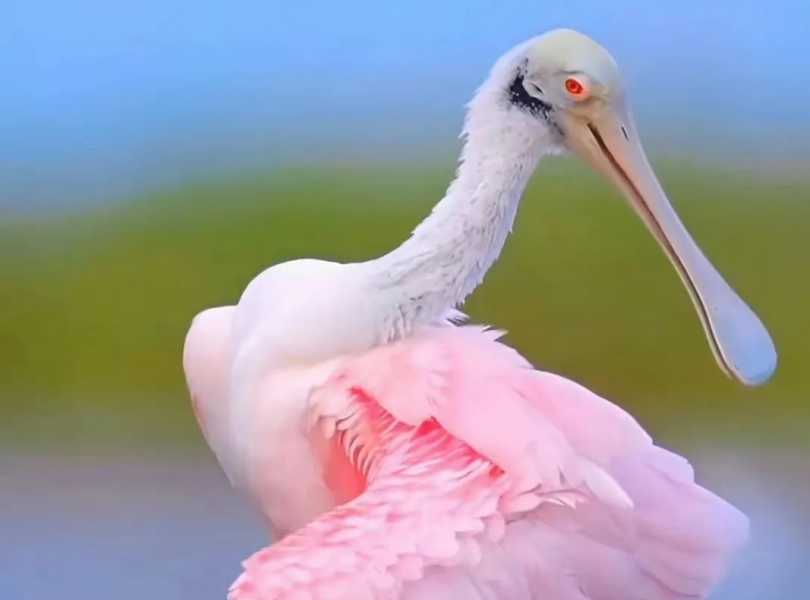
Platalea ajaja: The Vibrant Roseate Spoonbill of the Americas
Platalea ajaja, commonly known as the roseate spoonbill, is a striking wading bird native to the warm regions of the Americas. Renowned for its vivid plumage and unique feeding behavior, this species is an iconic inhabitant of shallow wetlands and coastal ecosystems, where its presence adds a splash of color to the landscape.
2 minute read
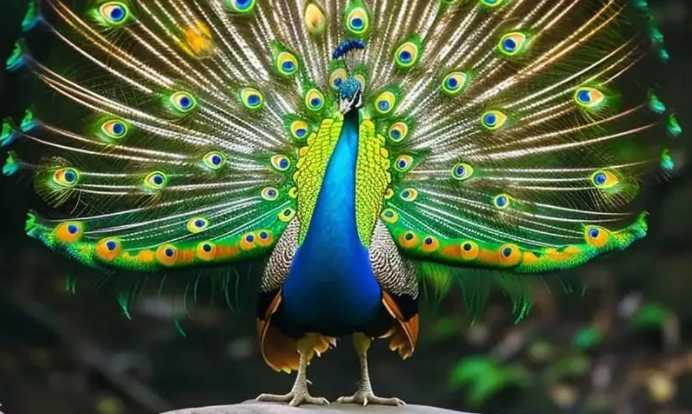
The Peacock: Nature’s Ornate 'King of Birds' and Symbol of Splendor
Hailed as the "King of Birds" (outshining the mythical phoenix in real-world grandeur), the peacock captivates with its resplendent plumage, long revered as a symbol of good fortune and nobility. A member of the pheasant family, this majestic bird comprises two species: the blue peacock native to South Asia—India’s national bird—and the green peacock, a critically endangered resident of Southeast Asia and China’s Yunnan province, protected as a national first-class animal.
1 minute read
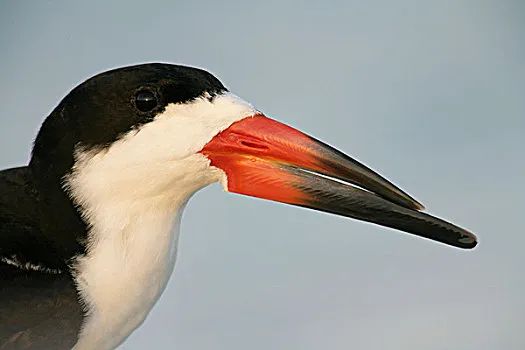
Rynchops niger: The Unique Scissor-Billed Seabird of Tropical Coasts
Rynchops niger, commonly known as the black skimmer, is a fascinating and distinctive seabird inhabiting tropical and subtropical coastal regions. Renowned for its extraordinary bill structure and specialized feeding behavior, this species stands out as a unique contributor to marine ecosystems, where it thrives in dynamic coastal and estuarine environments.
2 minute read
The Wood Duck: North America’s Jeweled Waterfowl and Living Work of Art
Scientifically named Aix sponsa—Latin for "bird as beautiful as a bride"—the wood duck is a petite tree-dwelling waterfowl measuring 47–54 cm. Native to North America’s lakes, wetlands, and forested waterways, it feasts on acorns and aquatic insects, blending arboreal agility with aquatic grace.
1 minute read

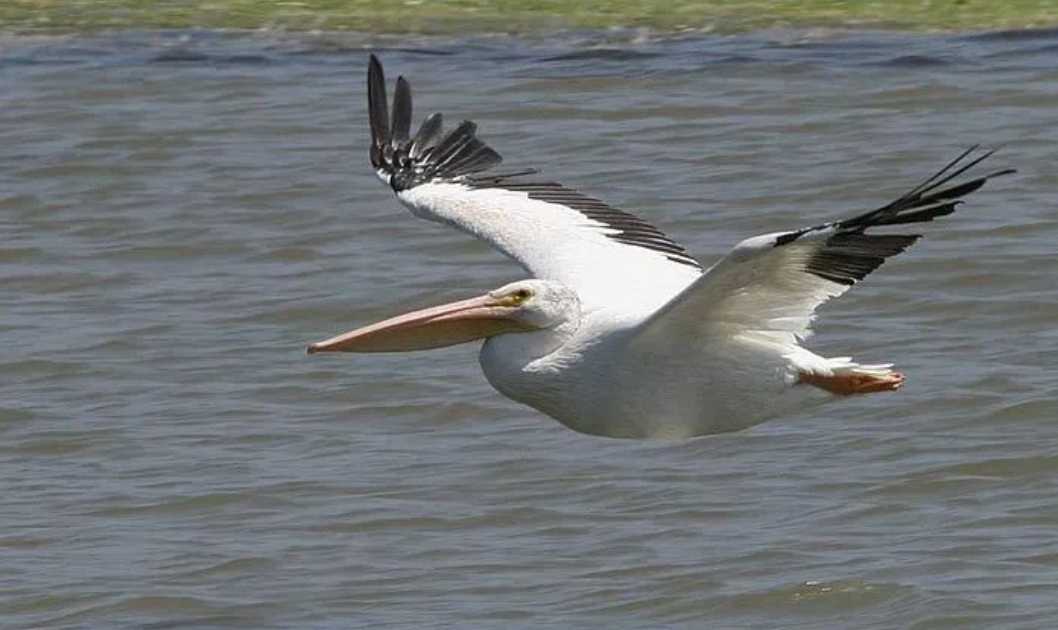
Pelecanus erythrorhynchos: The Majestic American White Pelican of North America
The American white pelican (Pelecanus erythrorhynchos) stands as one of North America’s most iconic large waterbirds, celebrated for its striking appearance and impressive aerial prowess. With its snowy plumage and imposing size, this species is a familiar sight in the continent’s freshwater lakes, rivers, and coastal estuaries, where it plays a vital role in aquatic ecosystems.
2 minute read
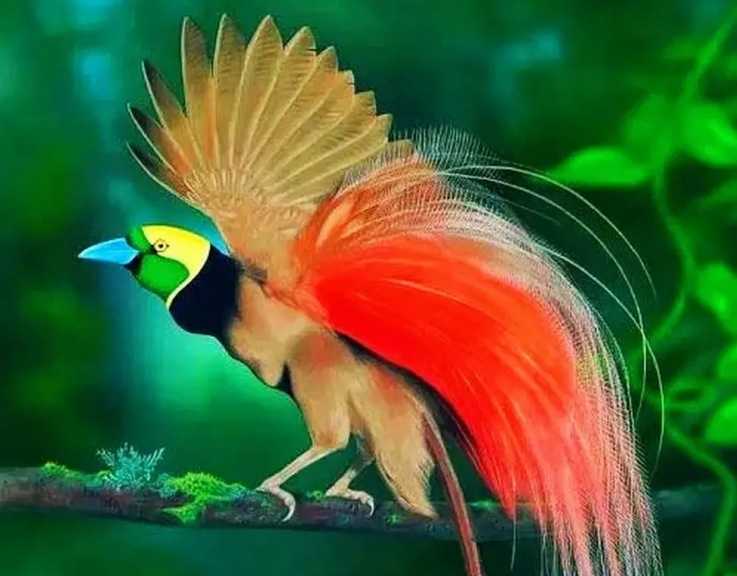
The Greater Bird of Paradise: New Guinea’s Avian Wonder Once Thought a Myth
Endemic to New Guinea, the greater bird of paradise (Paradisaea apoda) belongs to the Paradisaeidae family, feasting on fruits and insects. So extraordinary is its beauty that 19th-century European naturalists doubted its existence, suspecting its vividly plumed specimens were fraudulent "mythical creatures."
1 minute read
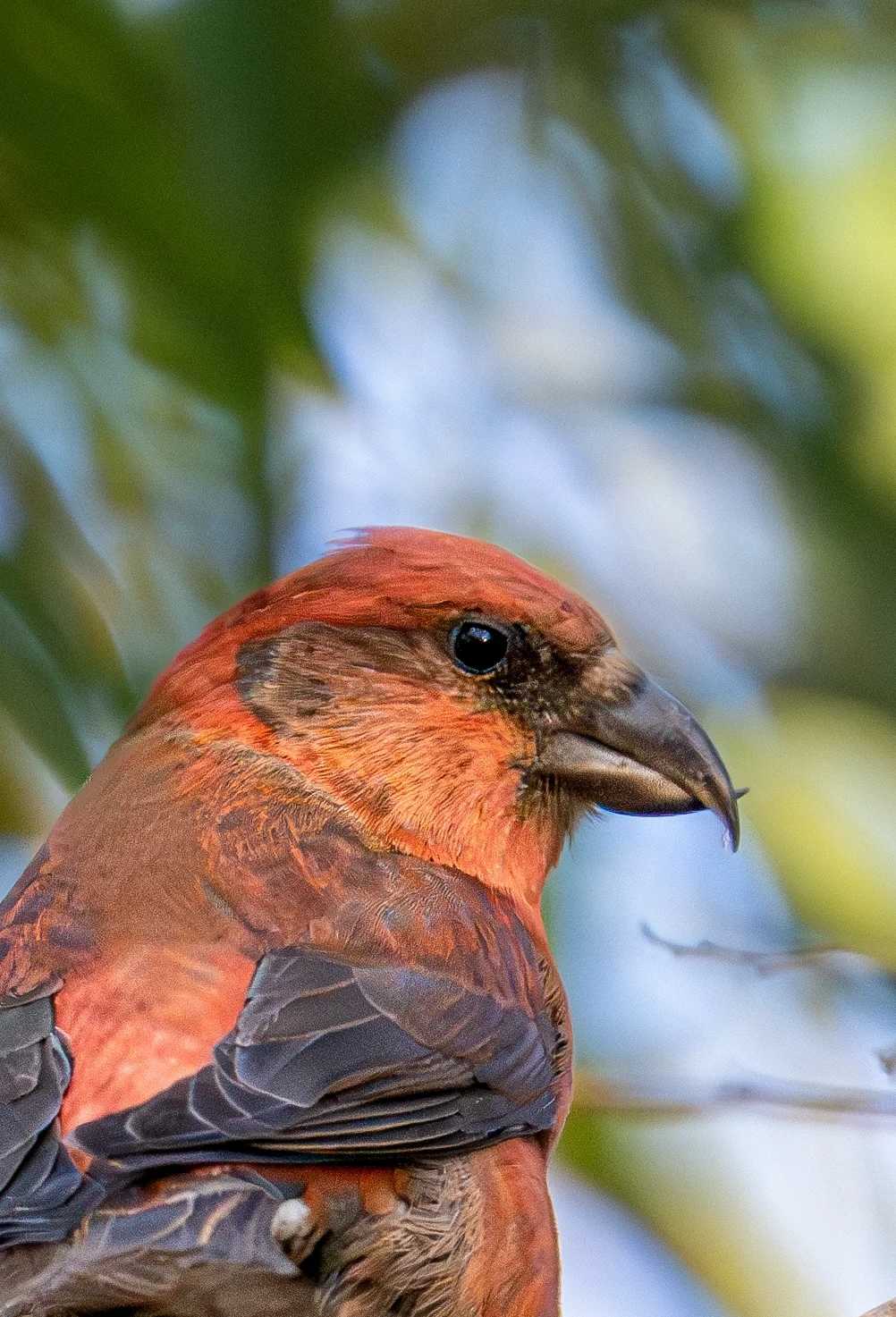
Loxia curvirostra: The Enigmatic Crossbill of Northern Coniferous Forests
Loxia curvirostra, commonly known as the common crossbill, is a small yet captivating songbird renowned for its distinctive bill shape and adaptability to the cold, dense coniferous forests of the Northern Hemisphere. As a key inhabitant of these ecosystems, it plays a vital role in seed dispersal and forest dynamics.
2 minute read
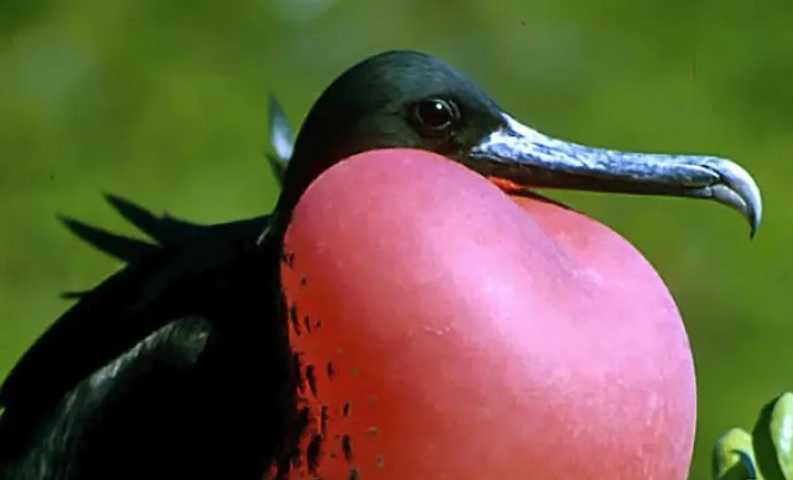
Fregata magnificens: The Regal Magnificent Frigatebird of Tropical Oceans
Fregata magnificens, commonly known as the magnificent frigatebird, is a towering seabird that commands the skies over tropical marine ecosystems. With its imposing size and aerial prowess, this species is a symbol of the open ocean’s grandeur, thriving in the warm waters and island-dotted landscapes of the tropics.
2 minute read
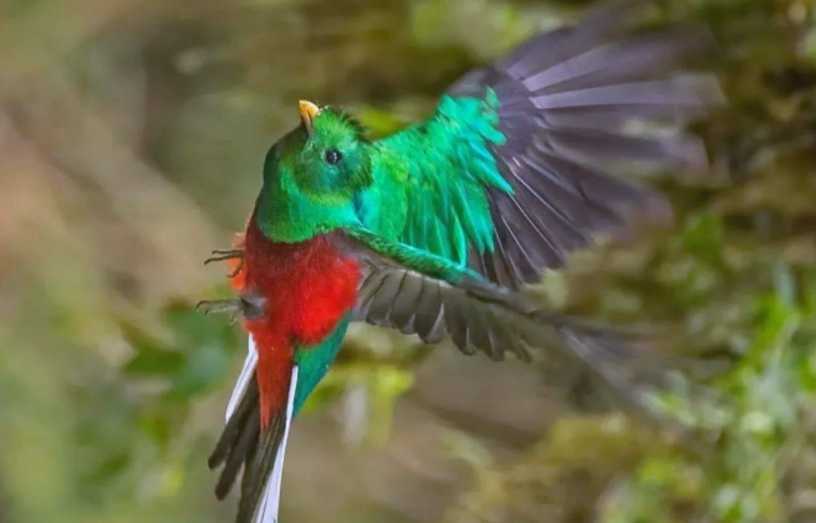
The Resplendent Quetzal: Mesoamerica’s Emerald Avian Deity and Symbol of Freedom
Scientifically named Pharomachrus mocinno, this trogon is endemic to Central American rainforests, measuring 35 cm in length and feasting on insects and fruits. Its cultural significance rivals its biological splendor: in ancient Maya civilization, it was revered as the incarnation of the feathered serpent god Quetzalcoatl, with its emerald plumage reserved exclusively for royalty. Today, it serves as Guatemala’s national bird, embodying freedom and divinity.
1 minute read
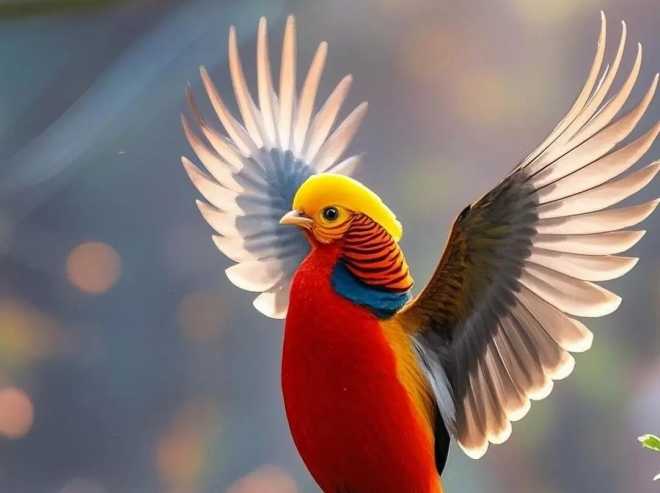
The Golden Pheasant: China’s Living Phoenix and Avian Emblem of Royalty
Scientifically named Chrysolophus pictus, this iconic pheasant is endemic to China’s central and western mountain ranges, measuring 80 cm in length and feeding on plant seeds and insects. A national second-class protected animal, it’s long been hailed as the real-world inspiration for the mythical phoenix—an association that elevated it to imperial status in ancient China.
1 minute read
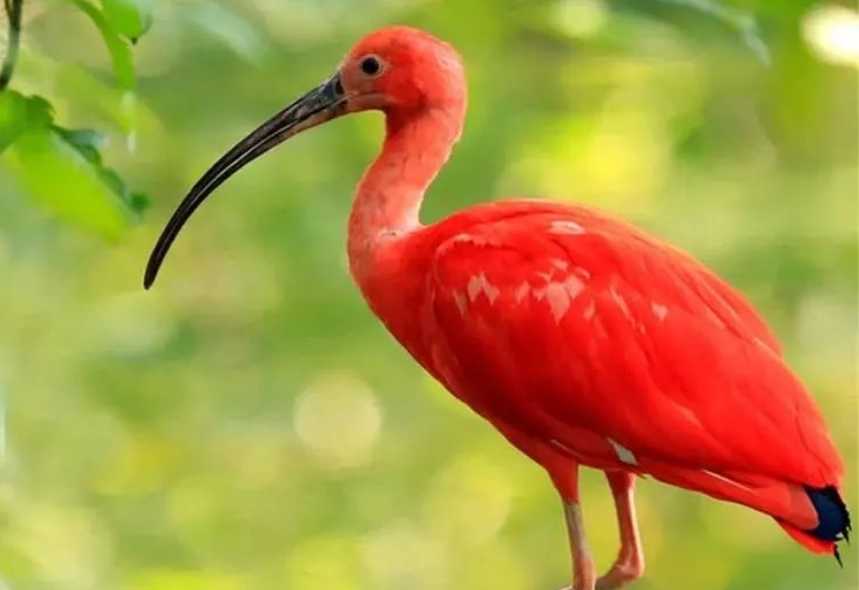
The American Flamingo: Nature’s Most Vibrant Scarlet Wonder
Scientifically named Phoenicopterus ruber, this stork-like wading bird measures 56–61 cm, inhabiting coastal wetlands, mangroves, and marshes across northern South America. Feeding on crabs and small fish, it boasts a wild lifespan of 15 years—reaching 20 in captivity. As the national bird of Trinidad and Tobago, it earns its fame from a singular trait: every feather, down to its legs, blazes in nature’s most intense scarlet, a hue so vivid it’s dubbed the "world’s reddest bird."
1 minute read
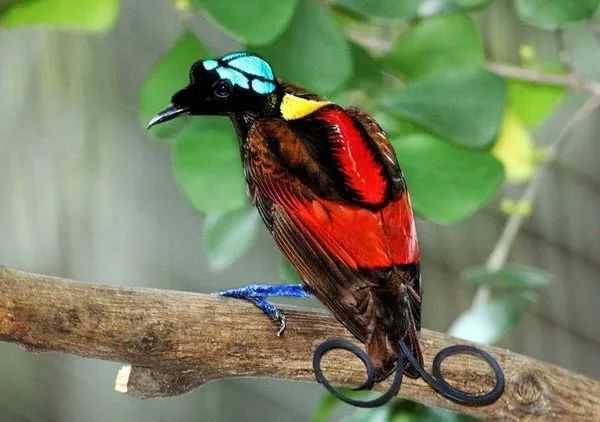
Wilson's Bird-of-Paradise: New Guinea’s Living Masterpiece of Avian Artistry
Scientifically named Diphyllodes respublica, this diminutive bird-of-paradise inhabits New Guinea’s rainforests, measuring around 20 cm and feasting on fruits and insects. Hailed as one of the world’s most beautiful birds, its compact form is a canvas of nature’s boldest palette: emerald green, sunshine yellow, jet black, snow white, and vivid blue, seamlessly blended in an evolutionary tour de force.
2 minute read
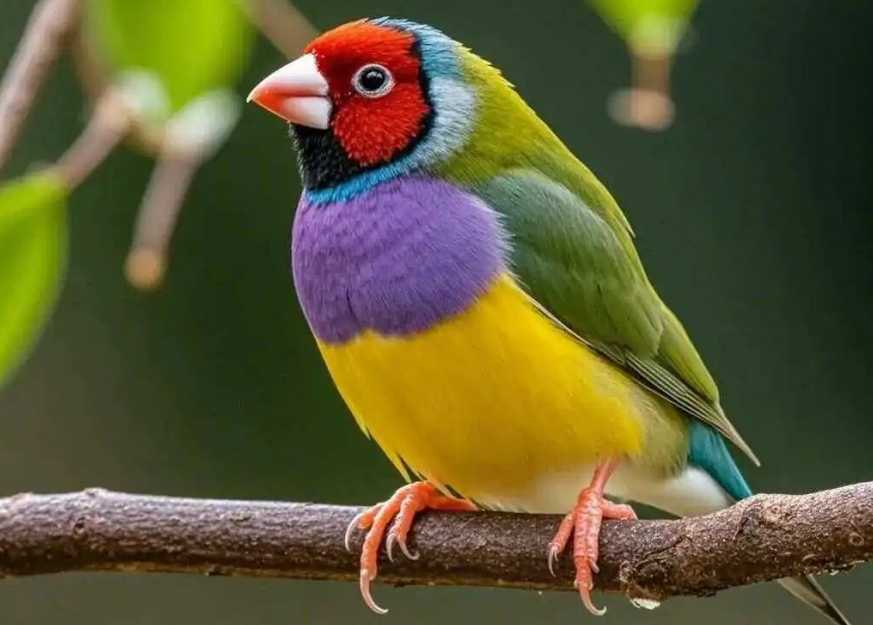
The Gouldian Finch: Australia’s Jeweled Songbird and Victorian Status Symbol
Scientifically named Chloebia gouldiae, this 12-cm passerine native to Australia’s savannas feasts on grass seeds and insects. Though wild populations now number fewer than 2,500, its dazzling plumage has made it a globally cherished ornamental bird, with captive-bred varieties outnumbering their wild counterparts.
1 minute read
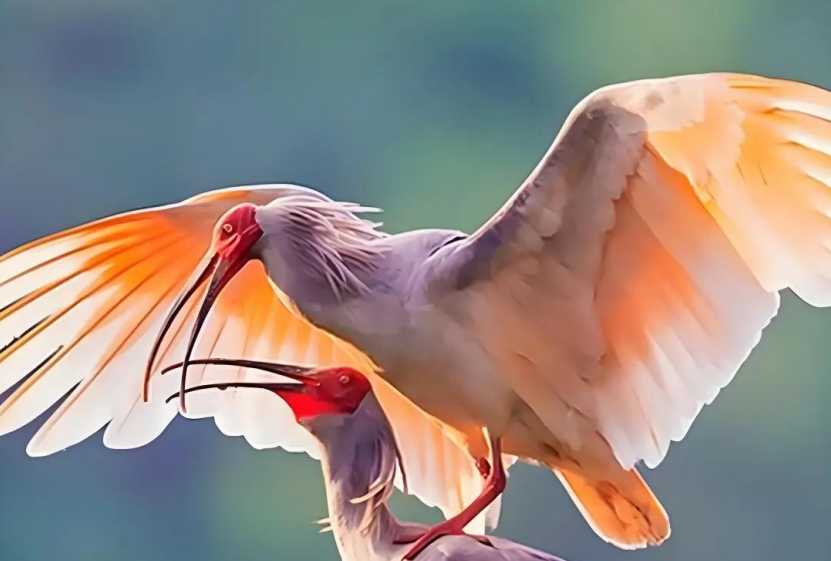
The Crested Ibis: East Asia’s Enigmatic 'Oriental Jewel' and Symbol of Survival
Scientifically named Nipponia nippon, this rare wading bird measures around 80 cm, inhabiting wetland ecosystems and feasting on fish and shrimp. Once widespread across East Asia, it now clings to survival primarily in Yangxian County, Shaanxi Province, China, classified as a national first-class protected animal. Hailed as the "Oriental Jewel," its cultural significance spans millennia: ancient Chinese poets praised its "red jade-feathered plumes," while Japan’s imperial family revered it as the sacred "Peach Blossom Bird," now symbolizing Sino-Japanese friendship.
2 minute read
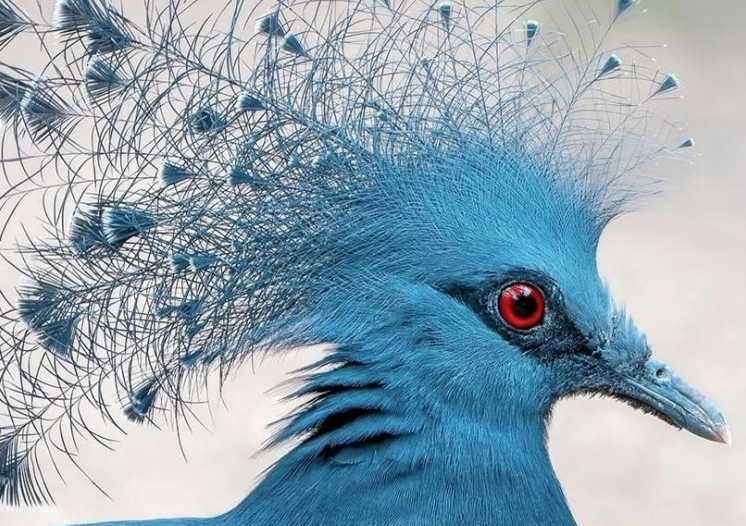
The Victoria Crowned Pigeon: New Guinea’s Royal Avian Gem and the Largest Pigeon on Earth
Scientifically named Goura victoria, this majestic bird holds the title of the world’s largest pigeon, measuring 70–80 cm in length and weighing 2–3 kg. Native to the rainforests of New Guinea and its surrounding islands, it lacks the ability to fly, instead relying on powerful legs to leap several meters as it forages for ground-dwelling fruits and seeds. Its name pays homage to Queen Victoria of Britain, bestowed by 19th-century scholars who marveled at its regal crest and elegant demeanor—traits that seemed to mirror the grandeur of the British monarchy.
2 minute read