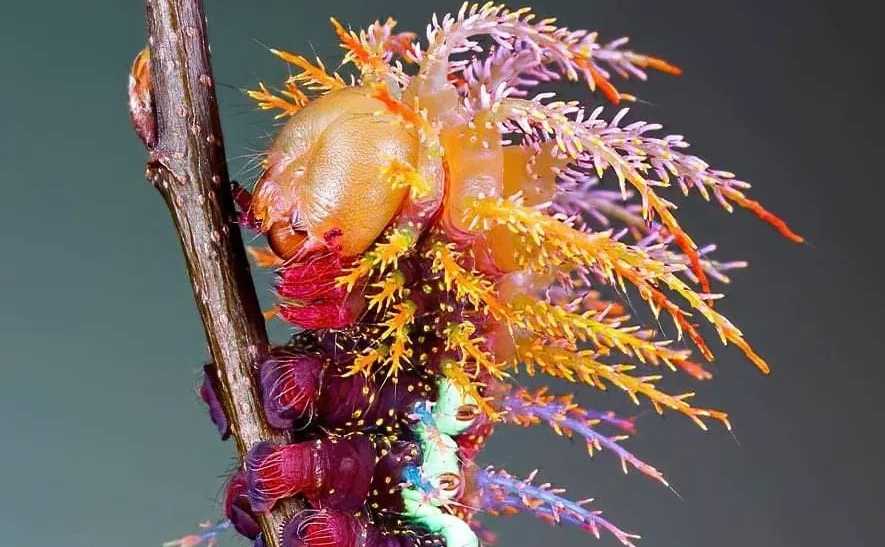
Cicadas: The Resonant Insects of Temperate to Tropical Climes
Cicadas, iconic insects inhabiting temperate to tropical regions worldwide, are renowned for their deafening calls—and often reviled for the noise that earns them a reputation as bothersome pests. These arthropods, belonging to the family Cicadidae, blend distinctive physical traits with a life cycle that spans years underground before their brief, noisy emergence.
1 minute read
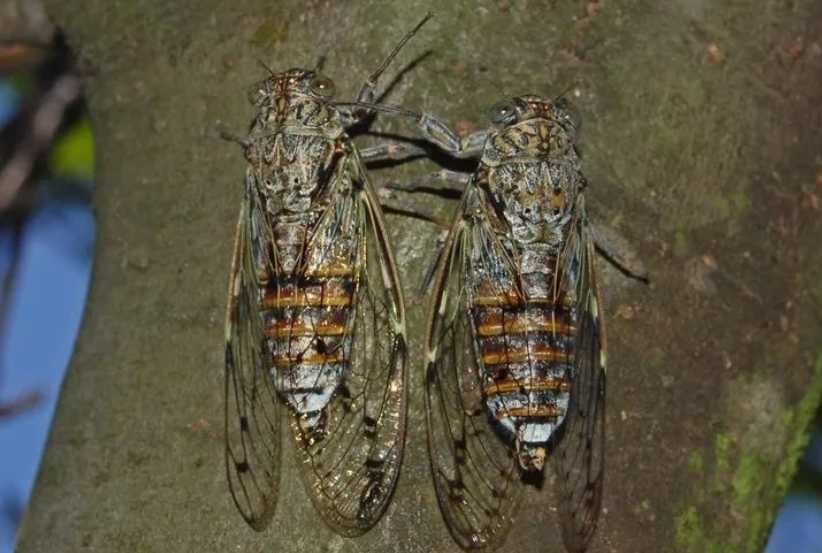
Australian Dragonfly: The Speedy Giant of the Insect World
The Australian dragonfly (Austrophlebia costalis), renowned as one of the fastest insects on Earth, boasts a breathtaking short - distance sprint speed of up to 58 kilometers per hour. As the largest among the 5,000+ dragonfly species, this majestic insect stretches up to 12 centimeters in length, blending imposing size with unparalleled aerial agility.
1 minute read
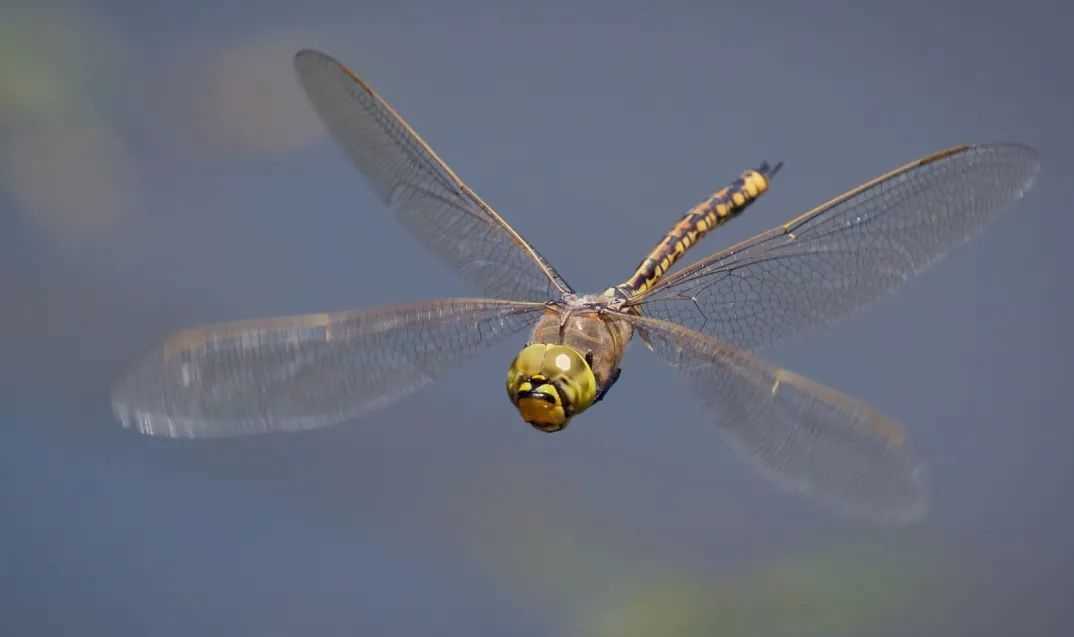
Mayflies: Nature's Ephemeral Wonders with a One - Day Legacy
Mayflies, renowned as the insects with the shortest adult lifespan, live for just a single day, a fleeting existence that has captivated scientists and poets alike. These ancient winged creatures, belonging to the order Ephemeroptera, are among the most primitive flying insects, retaining evolutionary traits that hark back to prehistoric times.
1 minute read
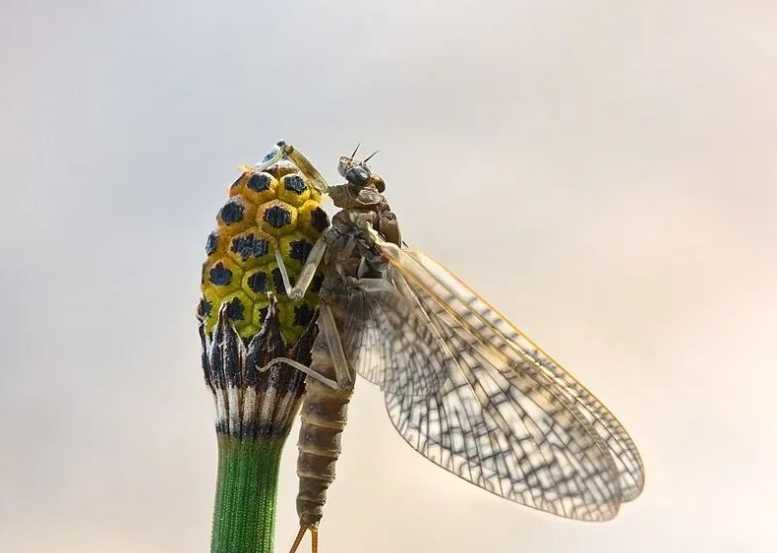
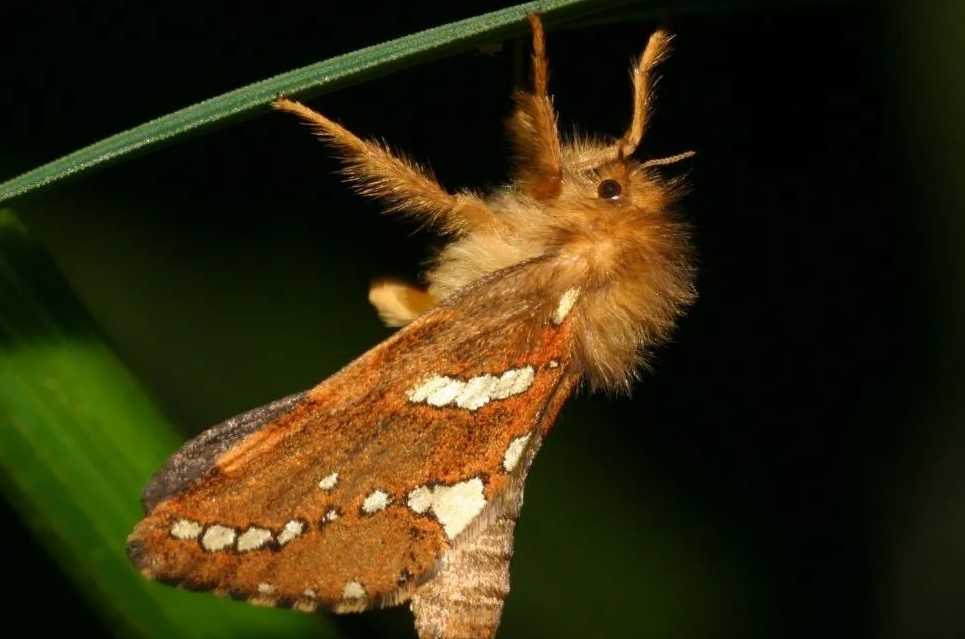
Bat Moths: A Diverse and Prolific Insect Group
Bat moths belong to the genus Hepialus in the family Hepialidae. They are a group of insects with remarkable reproductive capabilities. A female bat moth can lay more than 2,900 eggs, which is quite prolific among insects.
2 minute read
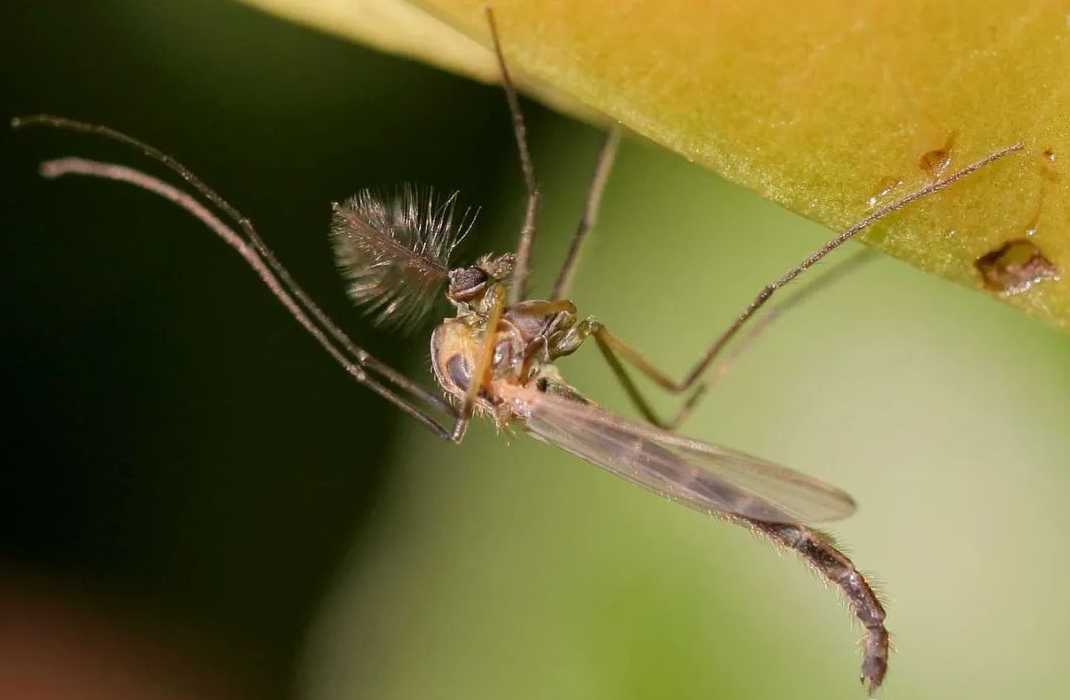
Chironomids: The High - Speed Wing Beaters of Aquatic Ecosystems
Chironomids, commonly known as non - biting midges, rank among nature’s most astonishing wing beaters, with estimates showing they can flap their wings up to 63,000 times per minute. This incredible frequency, almost too rapid for the human eye to track, highlights their unique adaptation to aquatic environments. Yet their physiological resilience is even more remarkable: when the wing tips are truncated and they’re placed in a warm environment of 99°F (约 37.2°C), their wing beats can surge to a staggering 130,000 times per minute, a testament to their muscular and neural efficiency.
1 minute read
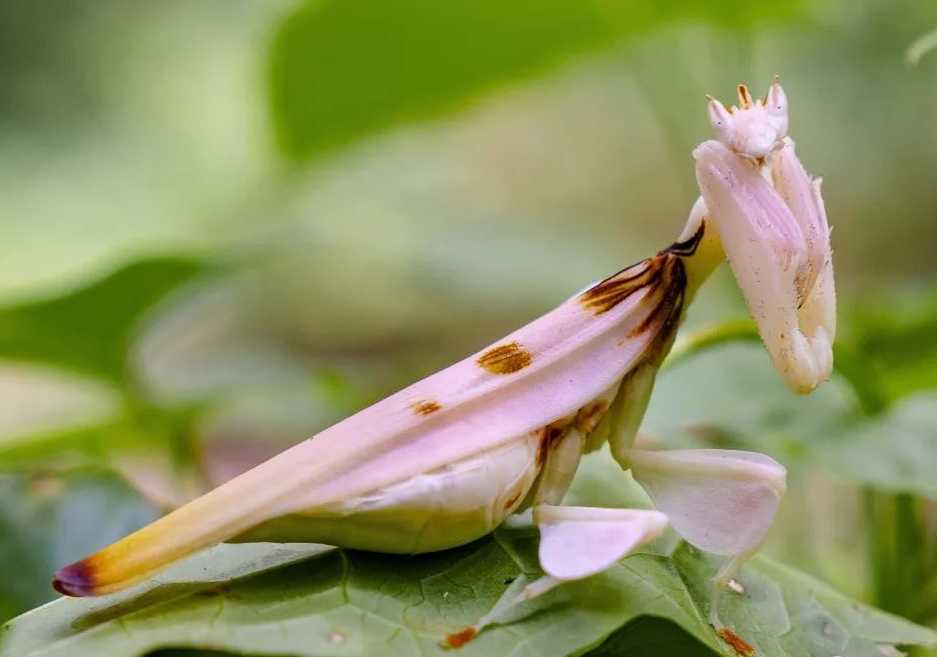
Orchid Mantis: Nature's Perfect Floral Mimic with Extreme Sexual Dimorphism
The orchid mantis (Hymenopus coronatus) stands as a marvel of evolutionary adaptation, renowned for its uncanny ability to mimic orchids—an illusion so precise it deceives both prey and observers. This species exemplifies extreme sexual dimorphism, with adult females reaching 6–7 centimeters in length, while males measure a mere 2.5 centimeters. This size disparity is matched by striking differences in appearance, making them one of the most visually distinct insect species.
1 minute read
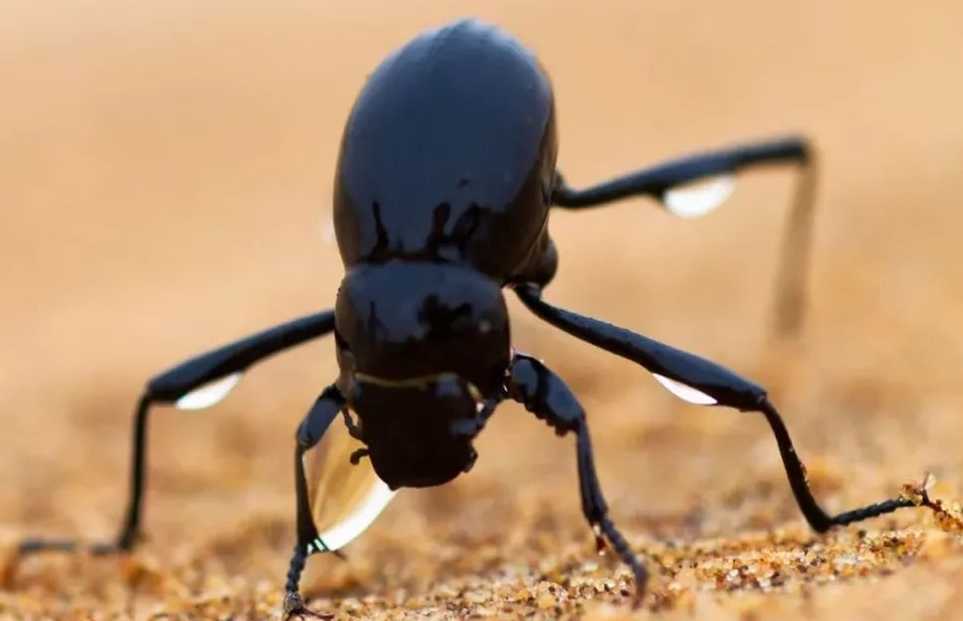
The Namib Desert Beetle (Stenocara gracilipes): Nature's Master of Fog Harvesting
The Namib Desert beetle, Stenocara gracilipes, stands as a testament to evolutionary adaptation in one of Earth’s harshest environments. This coleopteran insect, endemic to the Namib Desert of southwestern Africa, has evolved a remarkable survival strategy: harvesting fog droplets through its uniquely textured elytra, a trait that has inspired groundbreaking biomimetic water-collection technologies.
2 minute read
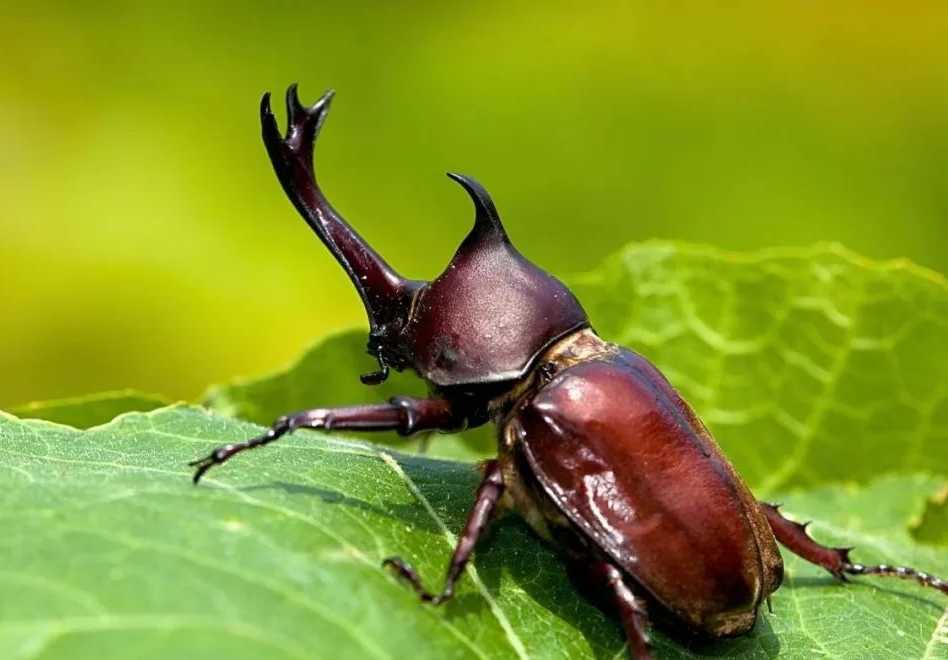
The Japanese Rhinoceros Beetle (Allomyrina dichotoma): A Horned Symbol of Strength and Nature's Engineer
The Japanese rhinoceros beetle, scientifically known as Allomyrina dichotoma, is an iconic insect revered for its distinctive Y-shaped horn and deep cultural significance in Japan. Measuring 3–5 centimeters in length, this scarab beetle captivates with its robust build and unique morphology, while its larval stage plays a crucial role in forest ecosystems as a decomposer.
1 minute read
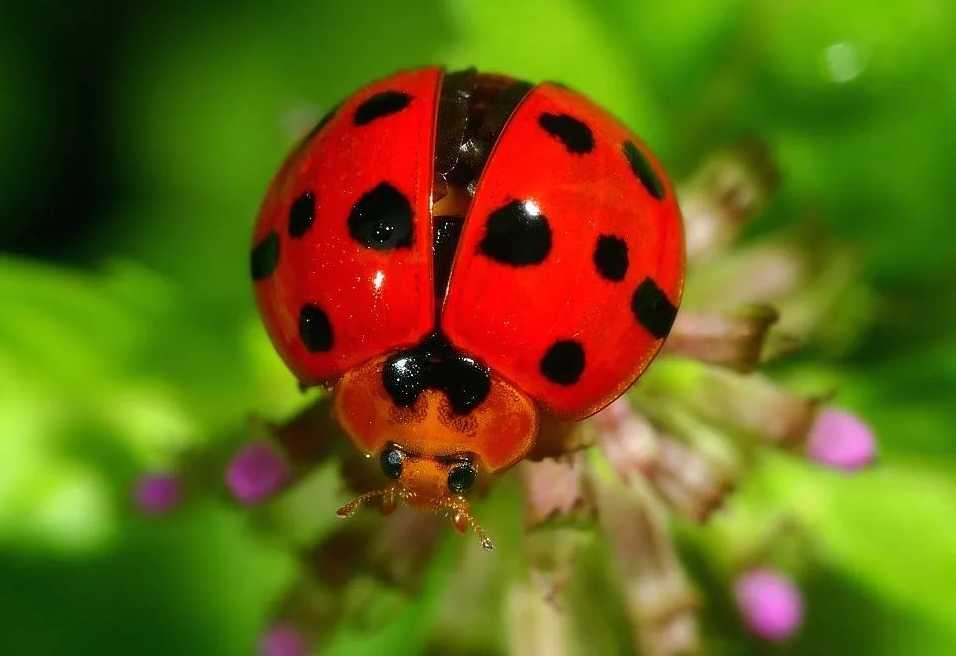
The Ladybug (Coccinellidae): Nature's Spotted Predator and Winter Intruder
Ladybugs, members of the family Coccinellidae, are iconic insects recognized worldwide for their distinctive spotted exteriors. Typically adorned with red or yellow backs dotted in black, these beetles blend aesthetic appeal with remarkable ecological utility, serving as natural pest controllers in gardens and agricultural fields.
1 minute read
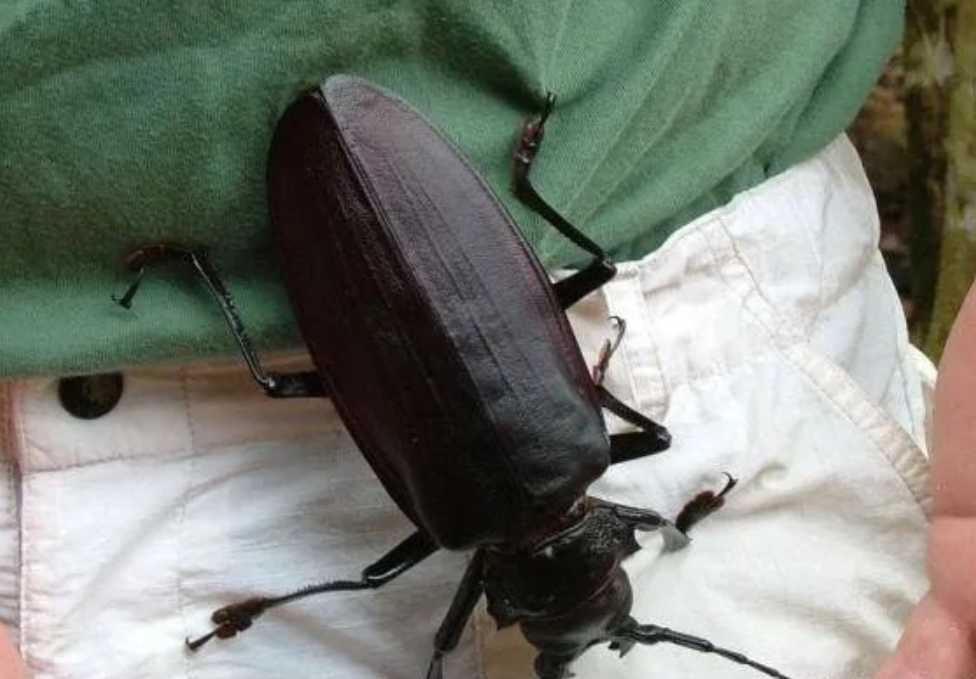
The Titan Beetle (Titanus giganteus): The Rainforest's Colossal Wood - Crusher
The Titan beetle, Titanus giganteus, stands as one of the largest beetles on Earth, commanding awe with its imposing size and formidable jaws. Native to the rainforests of South America, this insect can reach lengths of 16.5 centimeters, with antennae that extend even further, making it a true giant of the insect world.
1 minute read
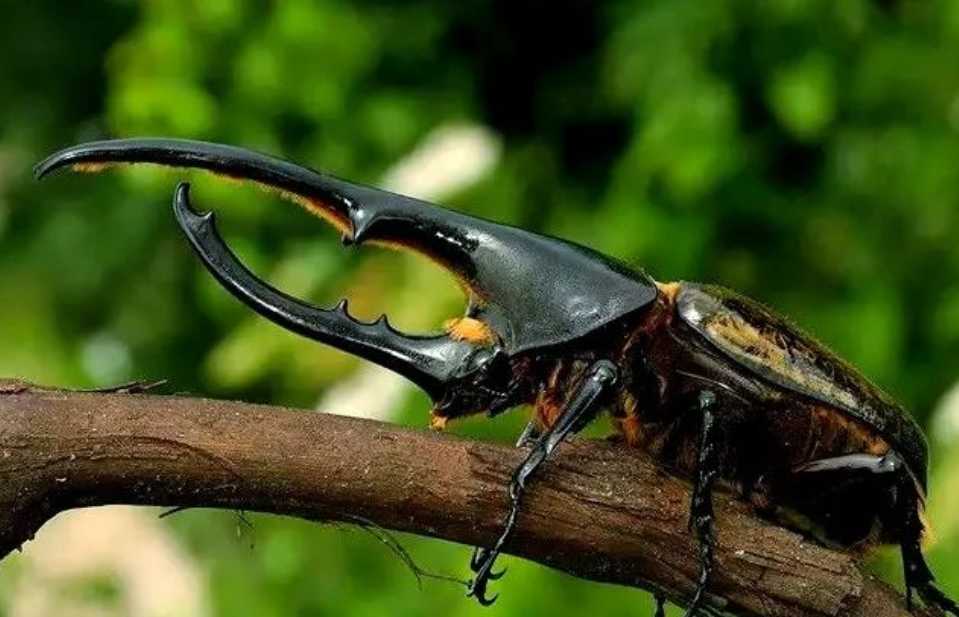
The Hercules Beetle (Dynastes hercules): The Insect World's Colossal Titan
The Hercules beetle, Dynastes hercules, reigns as one of the longest beetles on Earth, captivating observers with its imposing size and extraordinary strength. Native to the rainforests of Central and South America, this scarab beetle earns its name from the mythological hero, boasting a pair of horns that define its iconic appearance and earned it the title "Hercules of the Insect World."
2 minute read
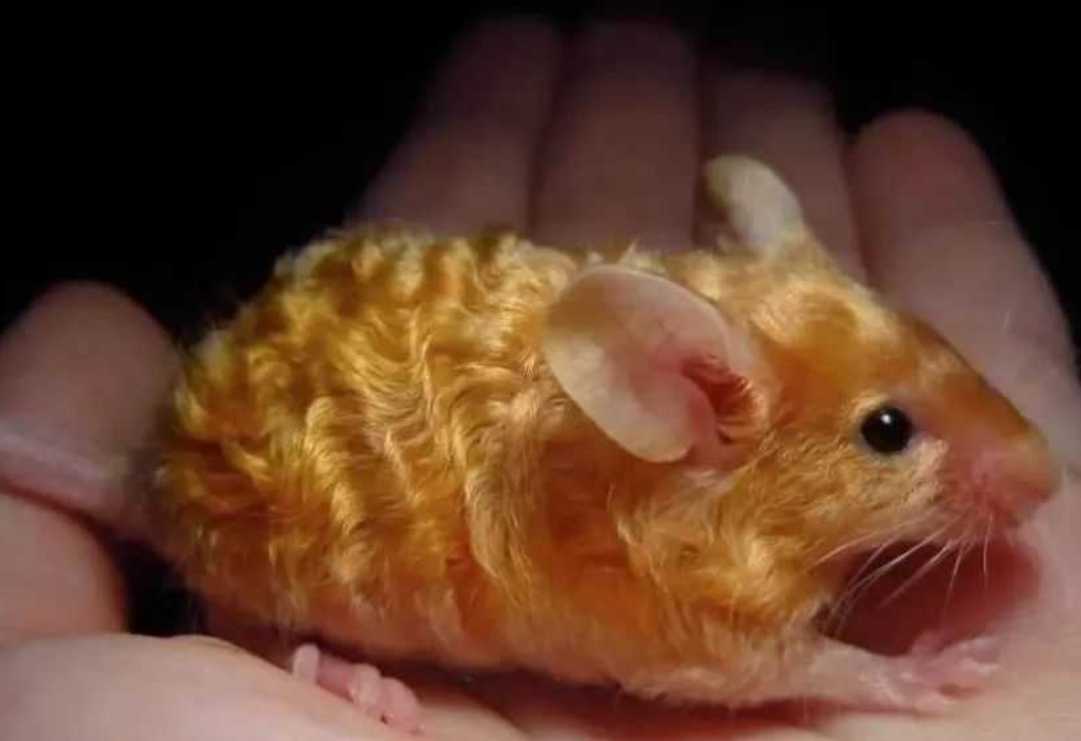
"Blonde" Big - Wave Rats: A Marvel of Genetic Modification
In a recent scientific breakthrough, researchers from MIT have successfully created "blonde" big - wave rats through genetic modification. This remarkable achievement builds on the work of nine different research groups from 1993 to 2015, each having identified genes related to hair changes in mice.
1 minute read
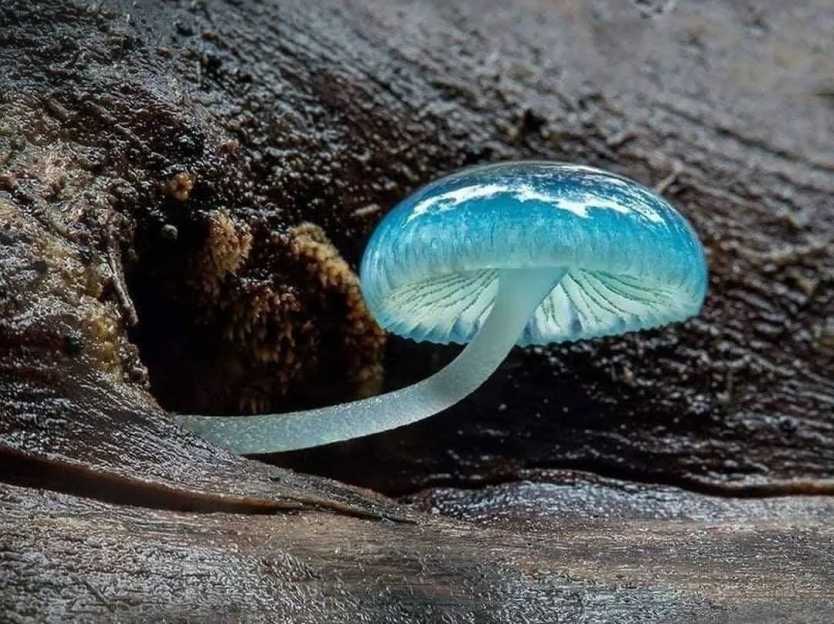
Crystal - clear Blue Mushrooms: A Captivating Natural Wonder
In nature, there exists a kind of crystal - clear blue mushroom that never fails to draw people's attention. The scientific name of this mushroom is Mycena interrupta, and it also goes by the aliases of Fairy - blue Mushroom and Sky - blue Mushroom. It belongs to the large fungi of the genus Mycena in the family Mycenaceae of the order Agaricales.
1 minute read
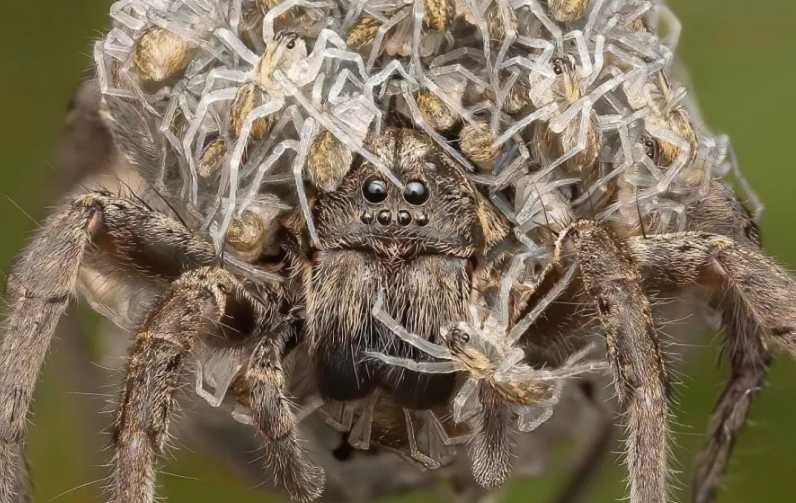
Wolf Spiders and Their Young: Nature’s Dedicated Mothers
Wolf spiders (Lycosidae) embody maternal dedication in the arachnid world, carrying their offspring with them in a manner that underscores the sacrifices of parenthood in the wild. Females of these ground-dwelling spiders spin silk egg sacs containing hundreds of eggs, which they attach to their spinnerets, literally towing the sac behind them as they hunt and move. This behavior ensures the eggs remain protected and oxygenated, a critical investment in their survival.
1 minute read
Vibrant Purple Caterpillar Sparks Wonder: What Will Its Butterfly Form Look Like?
A striking purple caterpillar recently spotted in a Costa Rican rainforest has captivated entomologists and nature enthusiasts alike. The creature, with its vivid hue and unique texture, has sparked curiosity about the transformation it will undergo into an adult butterfly.
1 minute read