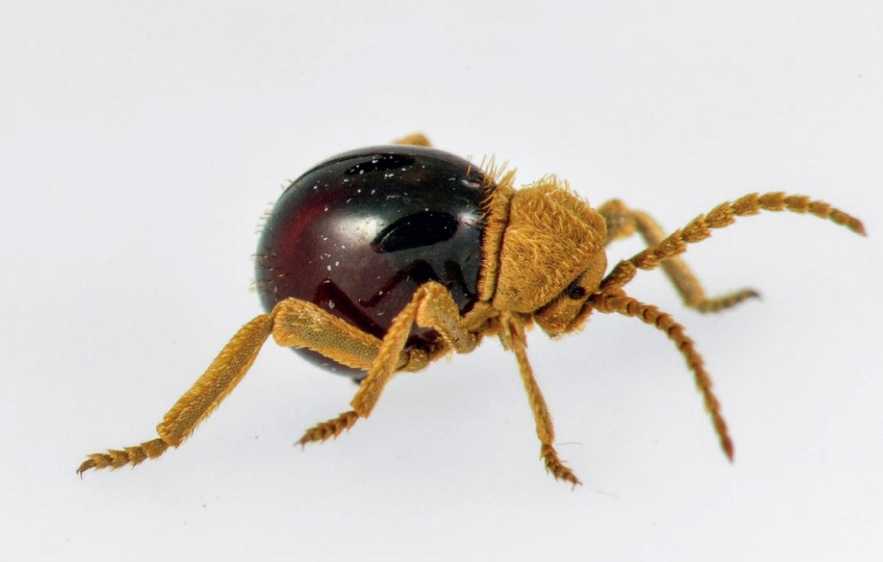
Hemiptera: The Diverse 'True Bugs' Shaping Ecosystems and Human Interactions
Hemiptera, commonly known as "true bugs," represent a vast order of insects distinguished by their specialized mouthparts adapted for piercing and sucking. With over 80,000 species worldwide, they thrive in aquatic and terrestrial habitats, from freshwater ponds to arid deserts. Their ecological roles range from vital pollinators and decomposers to notorious agricultural pests, making them both integral to ecosystems and significant to human affairs.
1 minute read
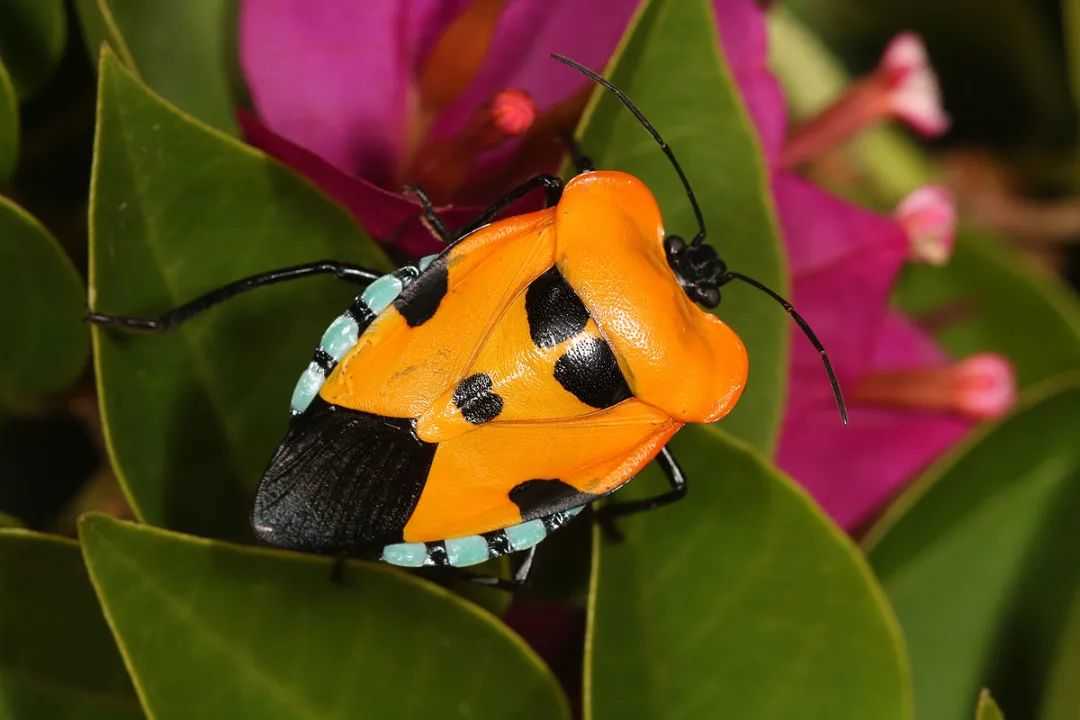
Pink Dragonfly Defies Odds: The Vibrant Trithemis aurora Shines in Nature's Palette
In the realm of insects, pink hues are a rarity, but the Trithemis aurora breaks the mold with its stunning coloration. Encountering this dragonfly evokes an instant sense of vivid beauty—its red compound eyes, purplish-red body, transparent wings, and red wing veins create a striking visual feast. With reddish-brown markings at the base of its wings, it earned the nickname "Purple-red Dragonfly," standing out as a living testament to nature’s unexpected palette.
1 minute read
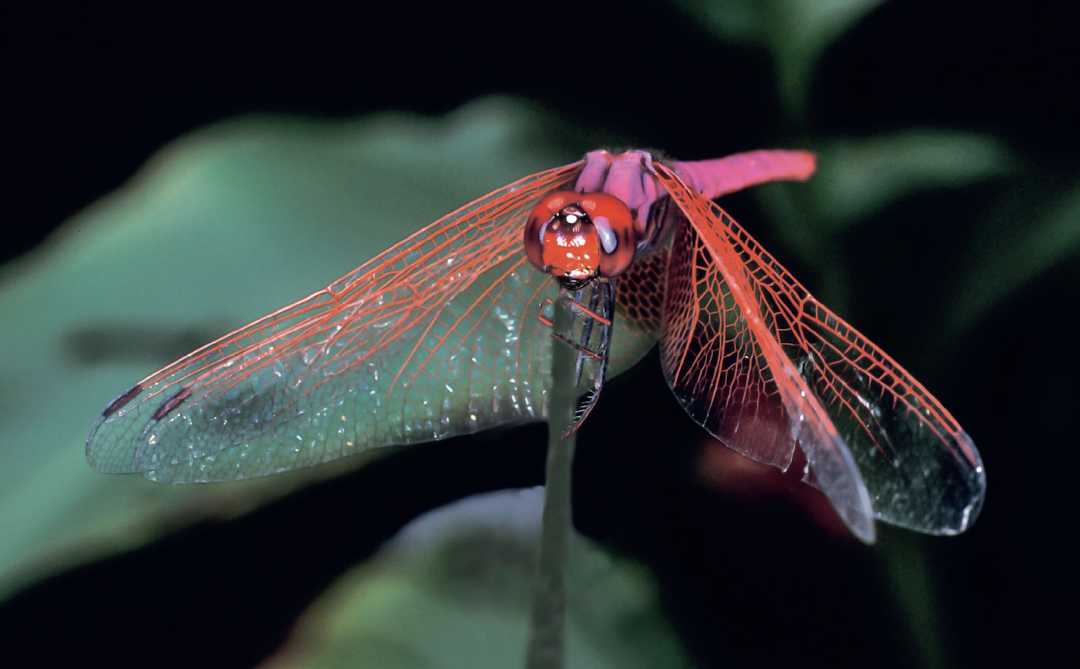
Stunning Damselfly Brightens Sri Lankan Rainforests: The Vibrant Ceriagrion cerinorubellum
Where there are beautiful dragonflies, damselflies follow suit—and the Sri Lankan Ceriagrion cerinorubellum, with its striking hues, brings a burst of color to the dim rainforest canopy. This delicate insect stands out amid the lush greenery, its vibrant palette transforming shadowy woods into a living canvas of natural art.
1 minute read
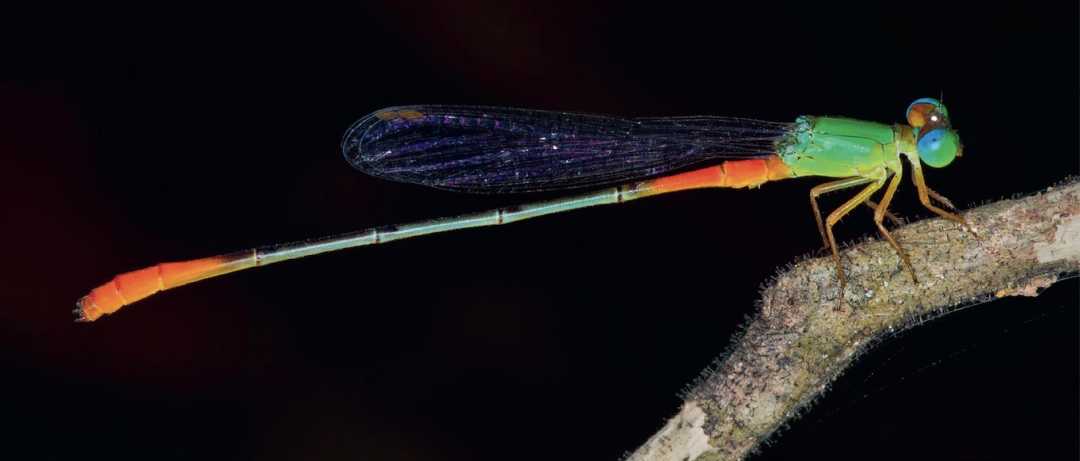
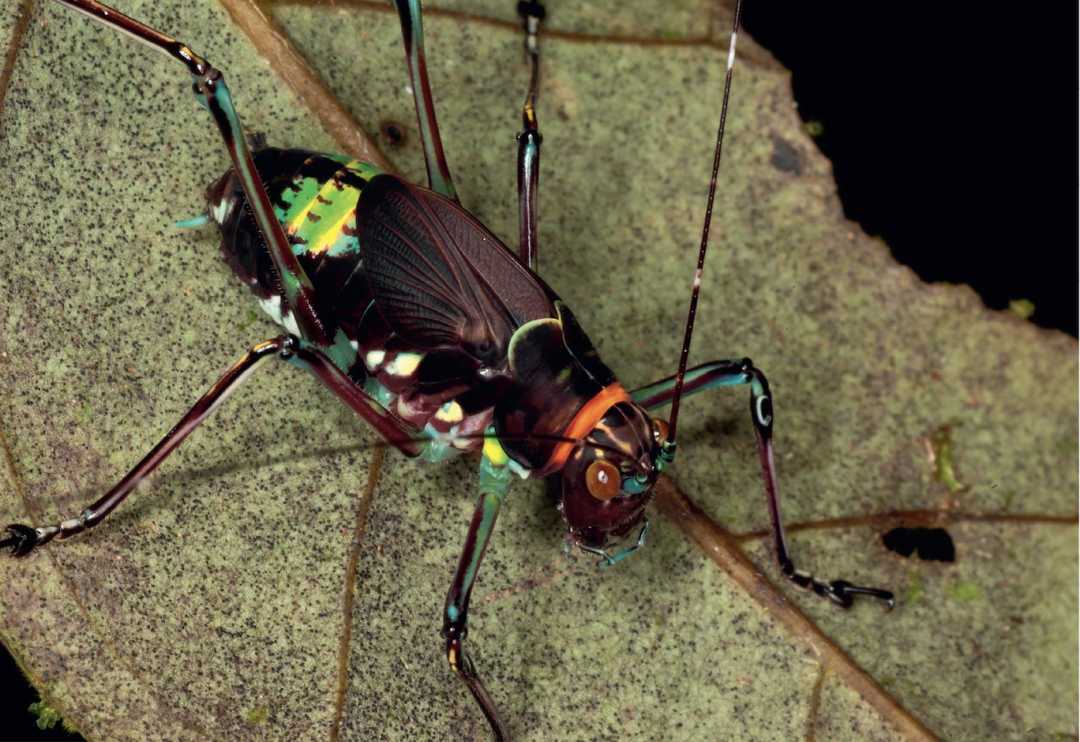
Eye-Catching New Guinea Katydid Nymph Approaches Adulthood in Final Instar
A striking katydid nymph from New Guinea is currently in its last developmental instar, poised on the cusp of transformation. Clad in vibrant hues that demand attention, the insect’s robust body and stubby wing buds signal its imminent metamorphosis into adulthood. For now, it crawls through the rainforest understory, a living testament to nature’s dramatic life cycles.
1 minute read
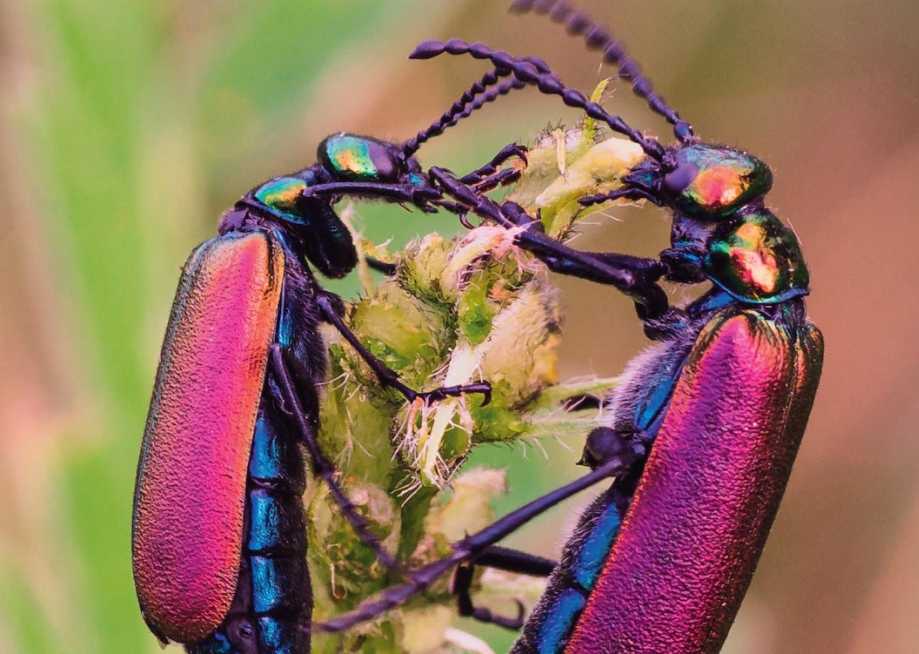
Lytta nuttalli: North America's Most Dazzling Beetle Harbors a Toxic Secret
The Lytta nuttalli, or Nuttall's blister beetle, stands as a living jewel among North American insects, its iridescent exoskeleton shimmering in hues of emerald, bronze, and gold. Sunlight reflects off its elytra in a kaleidoscope of colors, making it a standout in meadows and prairies. Yet beneath this dazzling exterior lies a warning: this beetle’s beauty is paired with a potent defense mechanism.
1 minute read
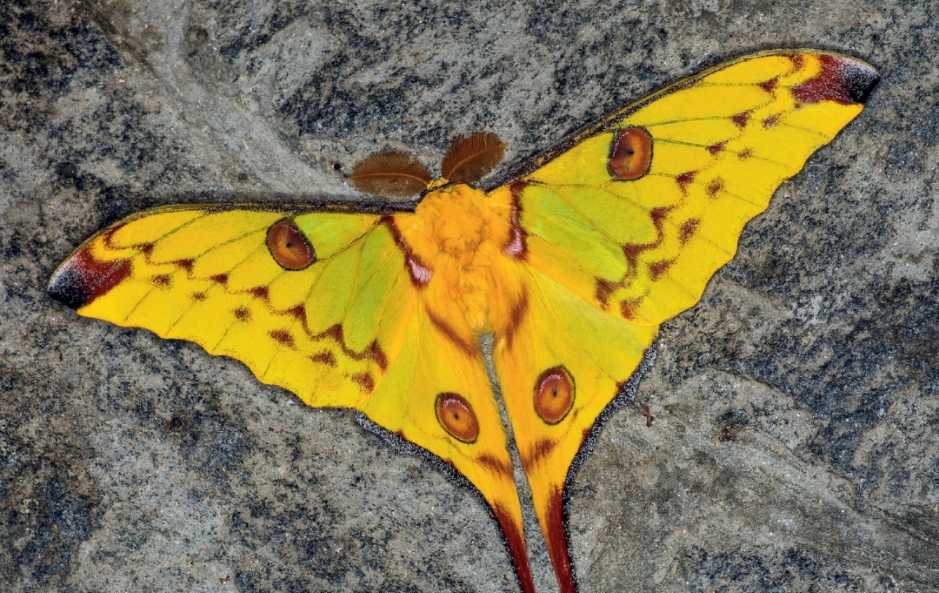
Argema mittrei: Madagascar's Majestic Comet Moth with Dazzling Tail Trails
Hailing from the eastern rainforests of Madagascar, the Argema mittrei, or Comet Moth, captivates with its ethereal grace. This lepidopteran giant glides through the forest canopy with a slow, deliberate flight, its elongated tail projections swaying like silken streamers. Measuring 160 mm in both body length and wingspan, it commands attention as one of the most striking moths in the insect kingdom.
1 minute read
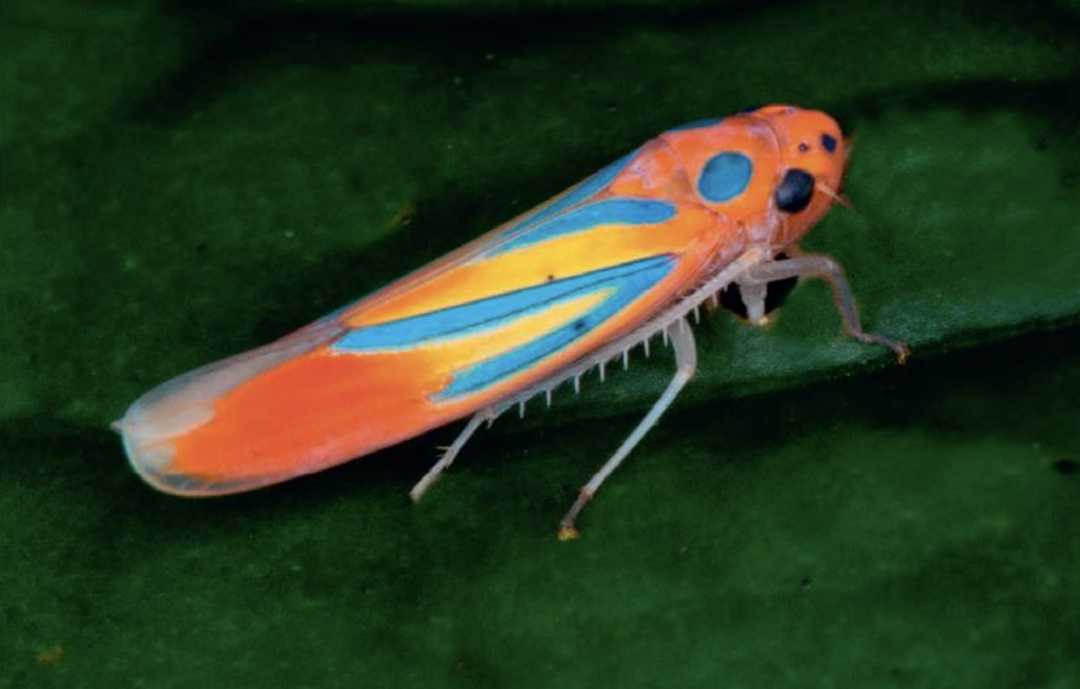
Madagascar's Vibrant Leafhopper: A Living Canvas of Blue, Yellow, and Orange
In the lush ecosystems of Madagascar, a striking leafhopper species stands out as a masterpiece of natural coloration. Draped in bold hues of blue, yellow, and orange, this tiny insect transforms the forest understory into a living palette, its exoskeleton shimmering with the vividness of a tropical sunset. Each segment of its body seems meticulously painted, a testament to nature’s unparalleled talent for chromatic harmony.
1 minute read
Amazon's Quirky Horsehead Grasshoppers: Proscopiidae Family Thrives in South American Rainforests
The Amazon region of South America serves as a haven for Proscopiidae, commonly known as horsehead grasshoppers. At first glance, these insects bear a striking resemblance to stick insects, with elongated bodies and spindly legs that help them blend into forest foliage. But their most distinctive feature is the bulbous, horse-like shape of their heads, giving them a comical appearance that evokes smiles—some even say their clear, beady eyes and awkward posture resemble beloved childhood classmates.
1 minute read
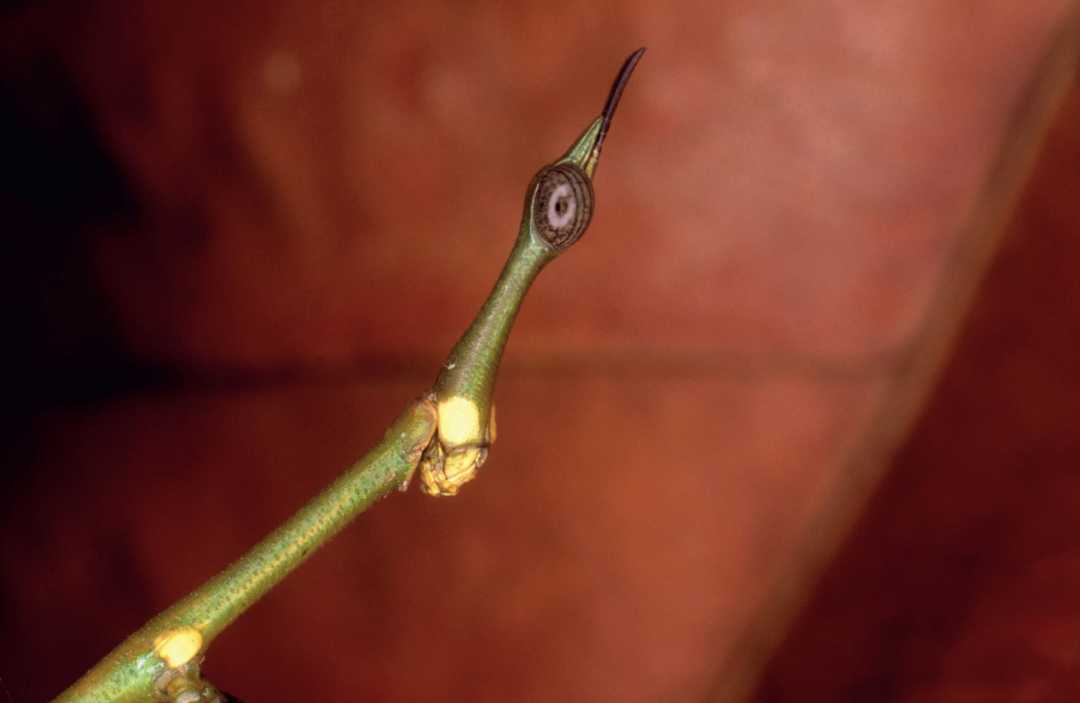
Costa Rica's Slender Weevil: The Three-Cone Beetle with a Remarkable Elongated Snout
In the lush rainforests of Costa Rica, the three-cone weevil (a member of the Brentidae family) stands out with its strikingly slender form, measuring 25 mm in length. Yet its most defining feature is an elongated rostrum— or "snout"—that can grow as long as its body, giving the insect a unique, almost surreal appearance. This remarkable appendage, thin and tapered, sets it apart in the diverse world of beetles.
1 minute read
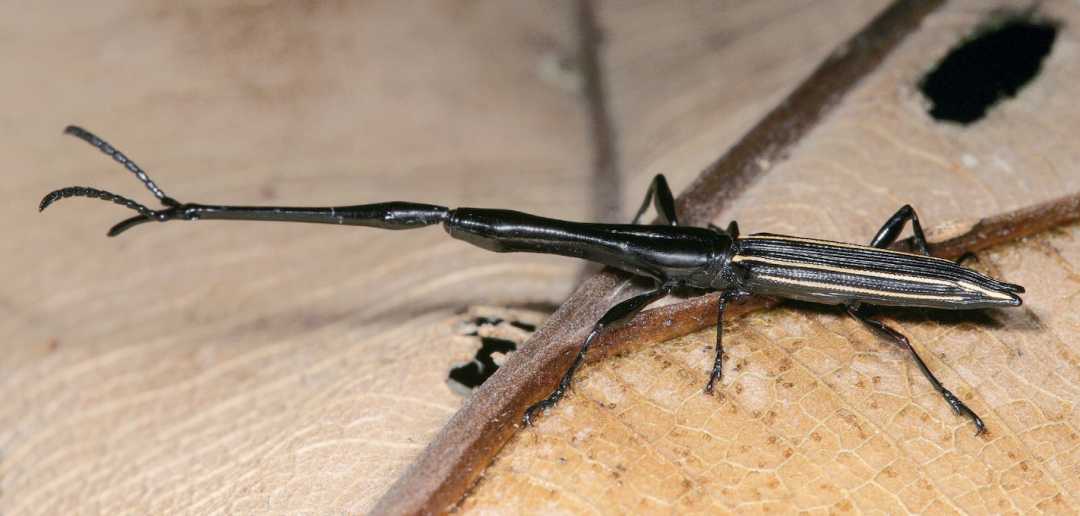
Cerapterus laceratus: Mozambique's Beetle Tricks Ants with Pheromone Mimicry and Scalding Defense
The adult and larval stages of Cerapterus laceratus, a rove beetle from Mozambique, have evolved a dual defense strategy that combines chemical trickery and fiery retaliation. By secreting compounds that mimic ant pheromones, these insects gain seamless integration into ant colonies, where they move freely without triggering aggression. This deceptive adaptation allows them to exploit ant resources while avoiding predation—a biological ruse rare in the insect world.
1 minute read
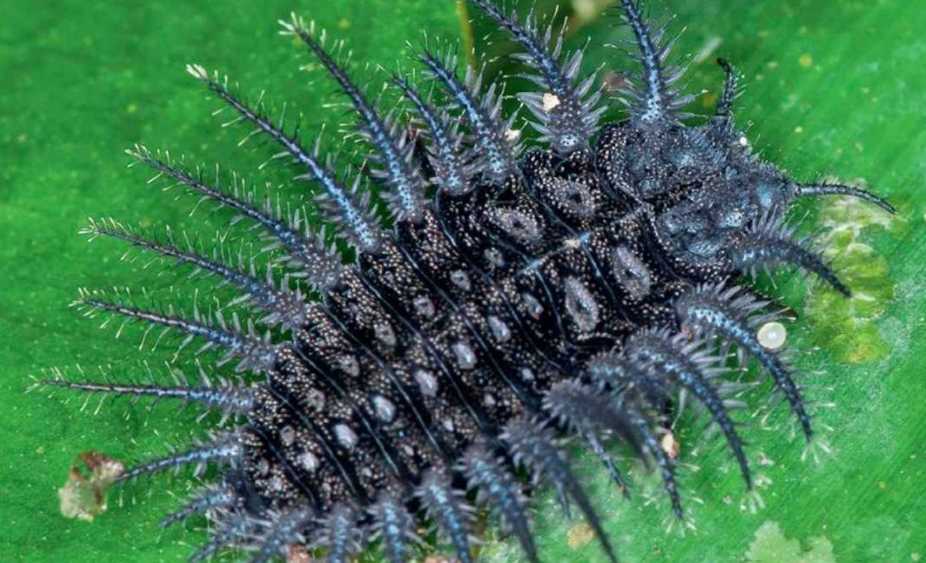
Spiky Larva of the False Ladybug Family Feeds on Fungi in Madagascar's Rainforests
In the lush rainforests of Madagascar, a larva covered in stiff, protruding spines catches the eye. Belonging to the false ladybug family (Endomychidae), this intriguing insect sports an armor of sharp projections, a striking adaptation that sets it apart in the tropical undergrowth. Far from its adult form’s resemblance to ladybugs, the larva’s spiky exterior serves both as protection and a unique identifier in the fungal-rich ecosystem.
1 minute read
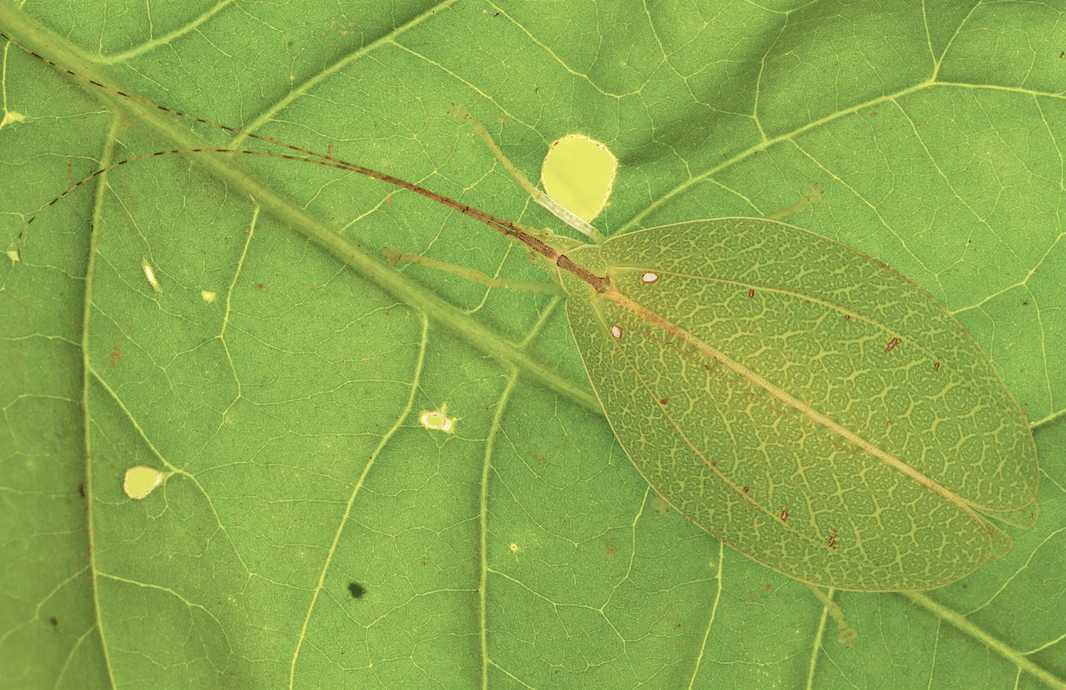
Acauloplax exigua: Mozambique's Leaf-Mimicking Katydid Blends Seamlessly with Foliage
Among the many insects that mimic leaves, the Mozambican katydid Acauloplax exigua stands out for its evolutionary mastery of camouflage. This tree-dwelling orthopteran boasts a flattened body so perfectly adapted to leaf mimicry that it vanishes against greenery, its veins and coloration mirroring the texture and hue of tropical foliage. The result is a living illusion—an insect that becomes one with its habitat at a glance.
1 minute read
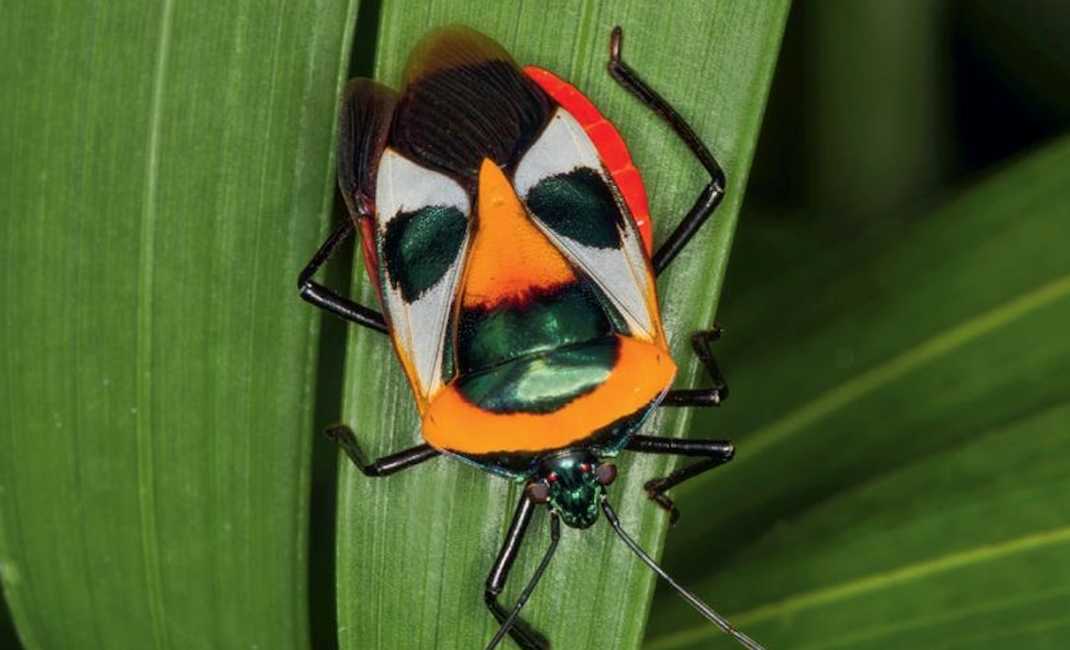
Catacanthus incarnatus: The Mesmerizing 'Human-Faced' Bug with Dazzling Patterns
Among stink bugs, Catacanthus incarnatus stands alone with its striking markings and uncanny mimicry of a human face. The insect’s thorax and abdomen feature a pattern resembling eyes, a nose, a mouth, and even a defined hairline, creating a surreal illusion that captivates and startles in equal measure. Its vivid red and black coloration only amplifies the effect, making it one of nature’s most extraordinary examples of mimicry.
1 minute read
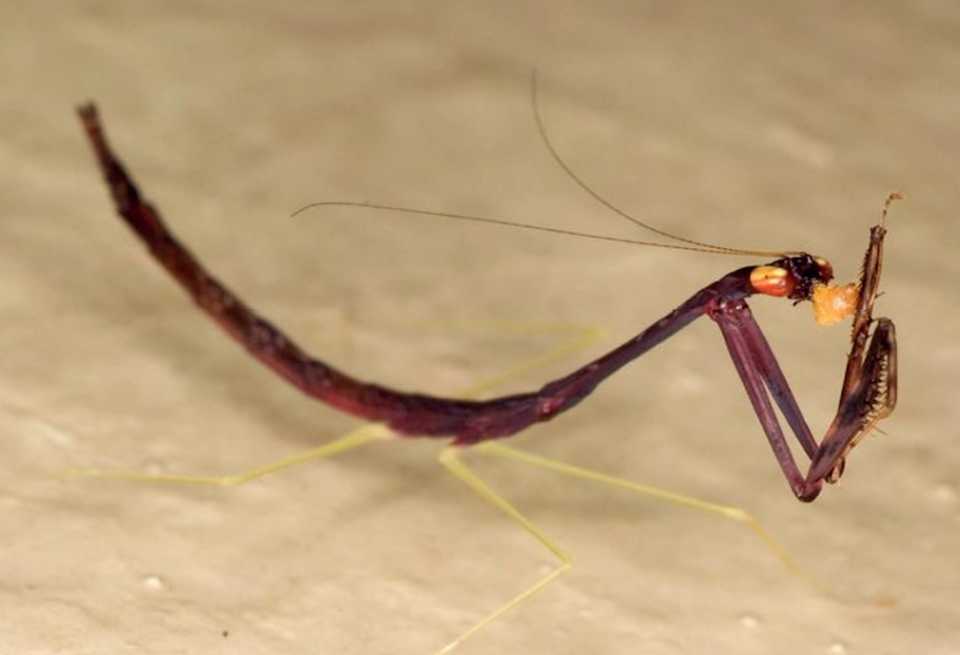
The Slender Stick Mantis of Borneo: A Peculiar Predator in the Mantid World
From the rainforests of Borneo (Kalimantan Island) emerges a mantis so 纤细 (slender) it resembles a twig, standing as one of the most extraordinary members of the mantid order. With a body as thin as a bamboo shoot, this mantis has evolved an extreme morphology—its elongated legs and narrow thorax allowing it to blend seamlessly with vegetation, but also imposing strict limitations on its hunting strategy.
1 minute read
Mezium affine: America's Tiny Spider-Mimicking Beetle
Measuring just 3 mm in length, Mezium affine is a curious beetle from the Americas that lives up to its name through remarkable arachnid mimicry. This minuscule insect has evolved physical traits that closely resemble a spider, blurring the line between beetle and arachnid at first glance. Its body shape, leg structure, and even behavioral cues work in tandem to create a convincing illusion.
1 minute read